


The wrist is one of the most used and most vulnerable joints in the body, relied upon for virtually every gripping, lifting and fine motor task throughout the day. Wrist injuries span a wide range, from acute fractures and ligament tears sustained during falls or sports to gradual overuse conditions like tendinitis, carpal tunnel syndrome and De Quervain's tenosynovitis that develop from repetitive strain at work or in daily life. Because the wrist is structurally complex, symptoms such as persistent pain, weakness, clicking or numbness often indicate an underlying issue that requires proper assessment rather than rest alone.
At Ray of Health, Dr James Tan provides thorough evaluation and personalised treatment for wrist injuries across all types and severities, from conservative management, physiotherapy and injections through to surgical repair for significant structural damage, with the goal of restoring strength, stability and full hand function.
|
Purpose |
Accurately identifying the source of wrist pain and restoring joint function, grip strength and hand mobility while preventing long-term stiffness or instability. |
|
Recommended for |
Individuals experiencing wrist pain, swelling, weakness, stiffness or numbness following an injury or from gradual overuse, particularly when symptoms persist beyond a few weeks or affect daily activities. |
|
Treatment approach |
Ranges from rest, splinting, physiotherapy and ergonomic adjustment to corticosteroid or PRP injections, shockwave therapy and surgical repair for fractures, ligament tears or nerve compression. |
|
Hospital stay |
Most treatments are outpatient. Surgical cases such as fracture fixation or ligament repair may require a short admission or day surgery depending on complexity. |
|
Recovery |
Mild sprains or overuse injuries may improve within a few weeks. Structural injuries requiring surgery involve a longer rehabilitation programme, typically spanning several months. |

A Wrist Injury refers to damage or irritation affecting the bones, ligaments, tendons, cartilage or soft tissues that support wrist movement. The wrist is a complex joint that allows gripping, lifting, rotation and fine hand control, making it particularly vulnerable to injury during daily activities, work tasks and sports.
Wrist injuries may occur suddenly following a fall or impact or develop gradually from repetitive strain. While some mild injuries improve with rest, persistent pain, weakness or stiffness often indicate an underlying issue that requires proper assessment to prevent long-term dysfunction.
Wrist injuries can be grouped based on the structures involved and how the injury develops. This includes:
These occur after a fall, direct impact or sudden twisting force.
These develop gradually from repeated movements or prolonged loading.
These arise from wear and tear over time.
These involve compression or irritation of nerves passing through the wrist.

Wrist injuries typically result from different internal mechanisms that affect joint stability, tissue health and load distribution. Some of the common causes include:
The symptoms vary depending on the type and severity of injury, but commonly include:
Persistent symptoms or pain during weight-bearing through the hand should not be ignored, as they may indicate structural damage.

Although wrist injuries are fairly common, certain factors increase the likelihood of developing them, even though they may not directly cause them. This includes:
An accurate diagnosis is crucial for determining the exact cause of wrist pain. This will help doctors to formulate personalised and appropriate treatment plans that will alleviate the pain. The diagnosis process begins with:
Injuries are commonly classified by severity, such as:
| GRADE | SEVERITY | DESCRIPTION |
| 1 | Mild | Minor strain or irritation with minimal swelling and preserved function. |
| 2 | Moderate | Partial ligament or tendon injury with pain, swelling and reduced strength. |
| 3 | Severe | Complete tears, fractures or significant instability causing marked functional limitation. |
The treatment focuses on relieving pain, restoring wrist function and preventing long-term complications. Most wrist injuries respond well to conservative care, with surgery reserved for specific cases. Some of the treatment methods are:
Surgery is considered only when conservative measures fail or when there is significant structural damage, such as unstable fractures or complete ligament tears.
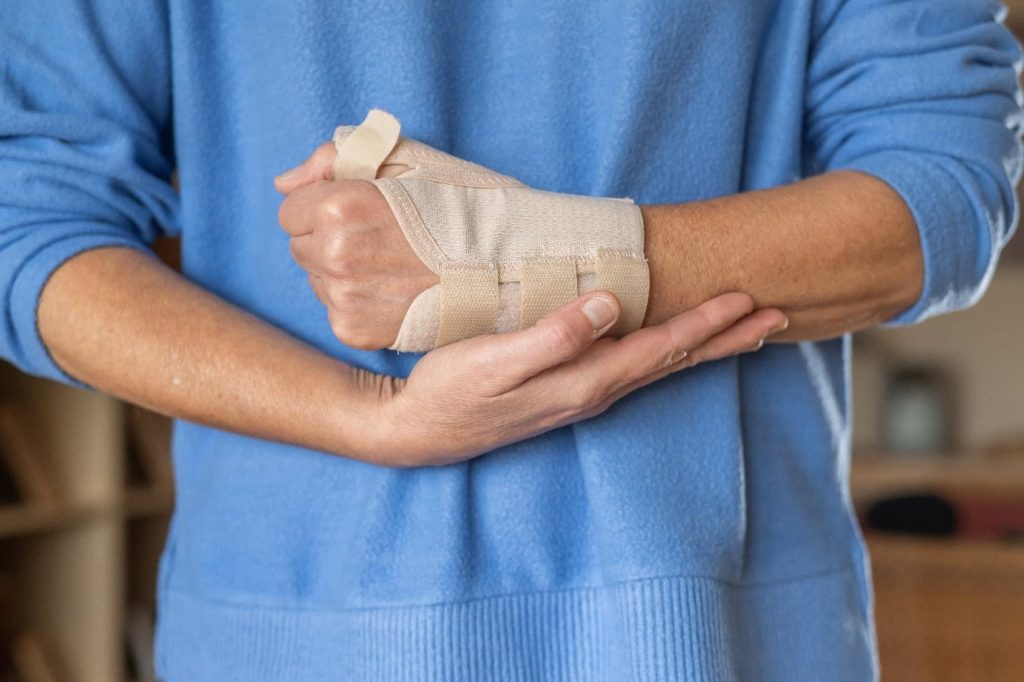
If wrist pain is limiting your work, daily tasks or hand movement, early assessment can play an important role in preventing further strain and supporting a smoother recovery.
Dr James Tan takes a thorough, personalised approach to wrist injuries, focusing on accurate diagnosis, targeted treatment and structured rehabilitation to restore strength, stability and function safely. Book an appointment with us today to receive timely care and guidance before the condition affects your long-term wrist health or daily comfort.
Wrist pain is not always serious, especially if it follows a minor strain or overuse. However, pain that persists, worsens or interferes with grip strength may signal a ligament tear, tendon injury or cartilage damage. That is why an early assessment is important, as it helps prevent long-term stiffness or weakness.
You should seek medical advice if wrist pain lasts more than two to three weeks, follows a fall or injury, causes swelling or numbness or makes daily tasks difficult. Prompt evaluation helps identify the cause and reduces the risk of chronic wrist problems.
Not everyone requires imaging. X-rays or MRI scans are usually recommended when pain persists, movement is restricted or a fracture, ligament injury or tendon tear is suspected. Imaging helps guide accurate diagnosis and targeted treatment.
Yes. Most wrist injuries respond well to conservative treatment, such as rest, activity modification, medication and physiotherapy. Surgery is usually considered only if symptoms persist or if there is significant structural damage.
Recovery time depends on the severity and type of injury. Mild sprains or overuse injuries may improve within a few weeks, while ligament or tendon injuries can require longer rehabilitation. Following a structured treatment plan helps optimise recovery.
Recurrence is possible if underlying factors such as poor ergonomics, repetitive strain or muscle weakness are not addressed. Ongoing rehabilitation, ergonomic adjustments and strengthening exercises reduce the risk of symptoms returning.
Activities that involve repetitive gripping, heavy lifting or prolonged wrist bending may worsen symptoms. Dr James Tan can advise you on safe exercise modifications while you recover.
The information provided on this page is for educational purposes only and is not intended as a substitute for professional medical advice or treatment. Always consult your healthcare provider or specialist doctor regarding any medical condition that you might be facing and act on the doctor’s recommendations.
References:
If you are experiencing joint pain, sports injuries or musculoskeletal concerns, our Sports Orthopaedic Surgeon can provide a personalised consultation and assessment to better understand your condition and discuss suitable treatment options.


Dr James Tan, our wrist specialist at Ray of Health, deals with various orthopaedic conditions of the body. He advises his patients to consult him in case of any pain or injury at the earliest so that the condition can be assessed and diagnosed properly.


If you are a Singaporean or a Permanent Resident of Singapore, some of our orthopaedic procedures can be claimed under MediSave. The claimable amount will vary based on the procedure's complexity.
For other situations, please consult our friendly clinic staff regarding the use of your Integrated Shield Plan insurance.


Get in touch with Orthopaedic Specialist Dr James Tan today to discuss your concerns and explore the best treatment options for your bones, joints, muscles and spine.


Monday - Friday: 8:30am - 5:30pm
Saturday: 8:30am - 12:30pm
Sunday & Public Holiday: Closed


