


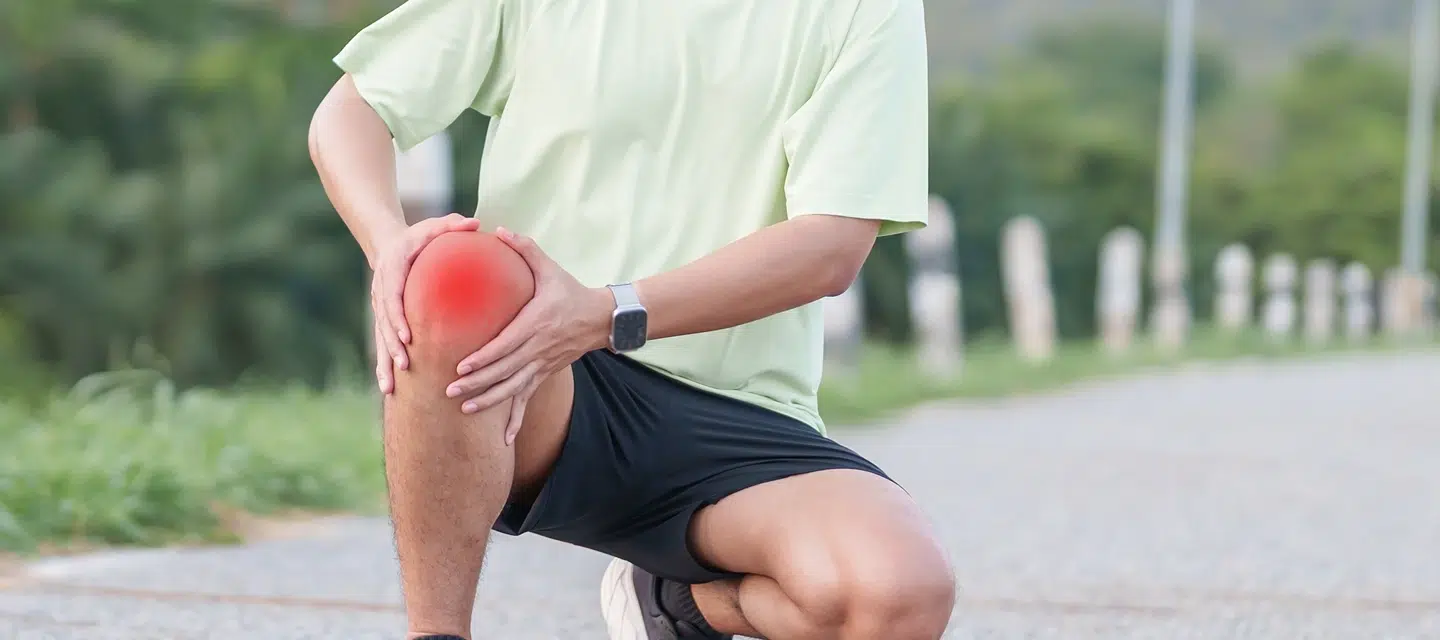
From overuse to injury, knee pain affects people of all ages and activity levels.


Specialised care for sports injuries, overuse conditions and age-related wear and tear — helping you recover confidently and return to the activities you love.

Not sure what condition you or your loved ones might be facing?
Discover the common injuries linked to each area of the body and learn how they may affect you.


Dr James Tan is a highly skilled Orthopaedic Surgeon in Singapore with over 10 years of experience in sports surgery and exercise medicine. He has pioneered several evidence-based treatment techniques and has cared for athletes from the Singapore National Teams, as well as professional footballers from the Singapore Premier League and the Young Lions. Dr Tan is also a member of the Asian Shoulder and Elbow Group and a founding member of the Singapore Shoulder and Elbow Surgery Society.


Led by the specialised orthopaedic surgeon Dr James Tan at Quantum Orthopaedics, the clinic offers specialised orthopaedic care to sportsmen, athletes, and anyone suffering from sports injuries and other orthopaedic conditions. With the collaborative efforts of a multidisciplinary team of professional trainers and therapists, Dr Tan provides specialised medical care for a number of musculoskeletal conditions.
If you are struggling with acute or chronic injuries, consulting a sports specialist at a specialised sports clinic in Singapore is the first step you need to take towards effective pain relief. The clinics are located at Camden Medical and Mount Alvernia Hospital Singapore, known for providing specialised medical services.
Book a consultation at our specialised sports clinic today!

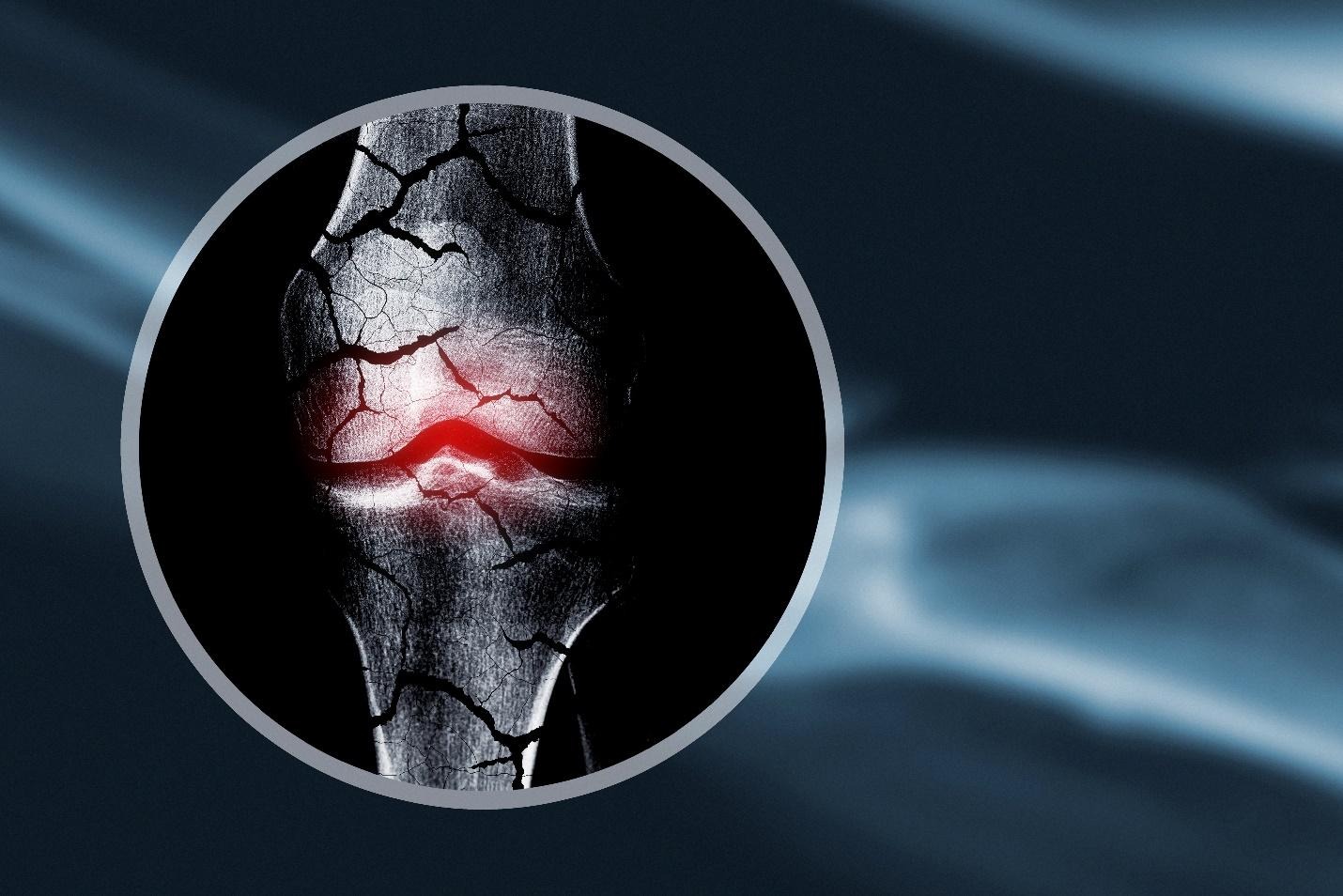


Hip pain is often more complex than it appears, with labral tears being a common but overlooked cause.

As the body's most mobile joint, the shoulder is particularly vulnerable to injury and wear.

The meniscus cushions and stabilises the knee. When it tears, pain and instability follow.

The knee is a complex joint supported by several ligaments that work together to provide strength and stability. Among them, the anterior cruciate ligament (ACL) plays a vital role in preventing the shinbone from sliding forward and in maintaining balance during sudden movements such as pivots, stops and jumps. An ACL tear happens when this […]

Cartilage is a smooth, flexible tissue that lines the ends of bones within our joints. It acts as both a cushion and a shock absorber, allowing bones to glide over one another with ease while protecting the joint from excessive wear. Unlike many other tissues in the body, cartilage has a very limited blood supply, […]
Osteoarthritis (OA) is the most common form of arthritis worldwide and a leading cause of joint pain (joint and bone conditions page) and disability in Singapore. Its significance is evident in recent studies, where it is estimated that about 11% of Singaporean adults have symptomatic knee osteoarthritis, with the prevalence increasing to nearly 20% among […]
Rheumatoid arthritis (RA) is a chronic inflammatory autoimmune condition that most commonly affects the joints, resulting in pain, swelling and stiffness. Unlike wear-and-tear forms of arthritis, RA arises when the immune system mistakenly attacks the synovial lining of joints, provoking persistent inflammation that can gradually damage cartilage and bone. While RA commonly affects joints in […]
A stress fracture is a small crack or area of weakened bone caused by repeated mechanical loading rather than a single traumatic injury. These injuries develop gradually when bones are exposed to repetitive stress without sufficient time for repair. In Singapore, stress fractures are increasingly seen among runners, gym-goers, National Service personnel and individuals participating […]

What Is Tennis Elbow? Tennis Elbow, or lateral epicondylitis, is a type of overuse injury caused by the repeated motion of the arms and wrists. Mostly, tennis players who consistently grip their racquets too tightly experience this condition. However, it is not exclusive to tennis players and can affect anyone who makes repetitive movements with […]

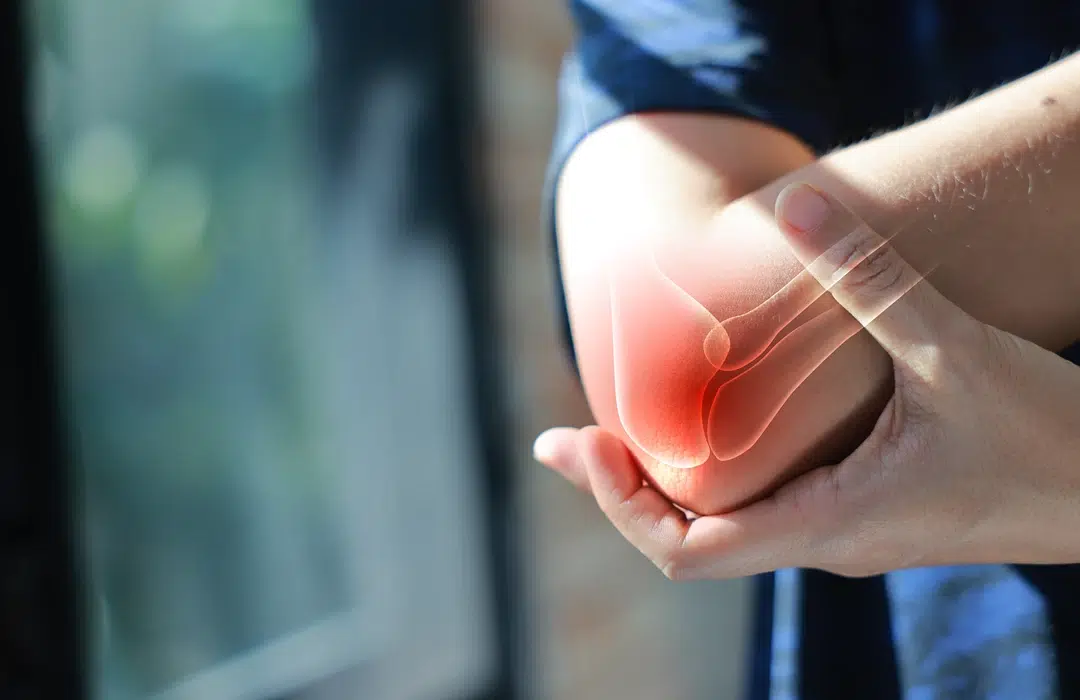
The inner side of the elbow is a complex junction where tendons, muscles and bones work together to allow smooth wrist and finger movement. These structures help you grip, lift and twist. These actions are performed countless times a day. When this balance is disrupted by repeated strain, the tendons that anchor the forearm muscles […]

A Wrist Injury refers to damage or irritation affecting the bones, ligaments, tendons, cartilage or soft tissues that support wrist movement. The wrist is a complex joint that allows gripping, lifting, rotation and fine hand control, making it particularly vulnerable to injury during daily activities, work tasks and sports. Wrist injuries may occur suddenly following […]
Frozen shoulder, or adhesive capsulitis, is a condition where the shoulder joint becomes stiff, painful and progressively restricted in movement. It occurs when the capsule surrounding the shoulder joint thickens and tightens, forming adhesions that limit motion. The condition typically develops gradually over months and can severely affect daily activities, such as reaching overhead, dressing […]

A shoulder dislocation occurs when the upper arm bone (humerus) slips out of its socket in the shoulder blade (glenoid). Because the shoulder joint is highly mobile and shallow, it is also one of the most unstable joints in the body, making it more prone to dislocation than other joints. Dislocation can happen partially (subluxation) […]

A sports injury refers to any damage to the body’s musculoskeletal system that arises during participation in sports or strenuous physical activity. These injuries fall into two broad categories: An acute injury may be presented with immediate pain, visible trauma and functional loss, whereas a chronic injury can creep in, causing persistent ache, stiffness and […]

The ankle joint plays an essential role in everyday movement. It supports body weight, absorbs impact and allows smooth transitions during walking, running or jumping. Because of its constant use, the ankle is particularly vulnerable to injury. Ankle injuries occur when one or more of the joint’s supporting structures, such as bones, ligaments, tendons or […]
Runner’s Knee, also known as Patellofemoral Pain Syndrome (PFPS), is a common source of discomfort among active individuals, especially those who run, hike or engage in sports that involve repeated knee bending. Although often associated with athletes, it can also affect individuals who spend long hours on their feet, have muscular imbalances, or are returning […]
Iliotibial (IT) Band Syndrome is a common overuse condition that causes pain along the outer side of the knee or thigh. It occurs when the iliotibial band, a thick band of connective tissue running from the hip to the shin, becomes irritated due to repeated friction or tension during movement. Although frequently seen in runners […]
Shin splints, medically known as medial tibial stress syndrome, are a common cause of lower leg pain, particularly among runners, athletes and individuals who engage in repetitive weight-bearing activities. It occurs along the inner border of the tibia, typically in the lower two-thirds of the leg. The condition develops when the muscles, tendons and bone […]
The Achilles tendon is a thick, fibrous cord that connects the calf muscles, making it essential for everyday movement. It plays a vital role in walking, running, jumping and push-off power. Achilles tendinitis refers to irritation, inflammation and degeneration of the tendon due to overuse or mechanical stress. In more severe cases, the tendon may […]
The hamstrings are a group of three muscles located at the back of the thigh that work together to bend the knee and extend the hip. They play a key role in walking, running, sprinting and sudden acceleration or deceleration movements. Hamstring injuries occur when these muscles or their tendons are overstretched or overloaded, leading […]

Heel pain is a common problem that affects people of all ages, often causing discomfort with every step. Because the heel absorbs the body’s full weight during walking, running and standing, it is particularly vulnerable to strain and injury. The pain may start with a mild ache that becomes sharper over time or it can […]
Back pain is one of the most frequent musculoskeletal complaints affecting people of all ages. It can range from mild discomfort to severe pain that interferes with daily life. While most people will experience back pain at some point, persistent or recurring pain may indicate an underlying problem that needs medical attention. The pain can […]
The sciatic nerve is the largest and longest nerve in the human body. It originates from the lower lumbar and sacral spine, passes through the pelvis and buttock region and extends down the back of each leg to the foot. Because of its length and pathway, the sciatic nerve is particularly vulnerable to compression or […]
The spine is designed to appear straight when viewed from the back, allowing the body to remain balanced while standing and moving. It also protects the spinal cord and distributes mechanical forces evenly during daily activities. Scoliosis is a condition where the spine curves sideways in an abnormal “C” or “S” shape, often accompanied by […]
The spine is a supportive column made up of individual bones (vertebrae) separated by intervertebral discs. These discs function as cushions, absorbing impact from daily activities such as walking, bending and lifting. They also allow the spine to remain flexible while protecting the spinal cord and nerve roots. Healthy discs help maintain proper spacing between […]
Spinal stenosis is a condition where the spaces within the spine gradually narrow, reducing the room available for the spinal cord or exiting nerve roots. It most commonly affects the cervical spine (neck) and lumbar spine (lower back). When treatment is delayed, progressive narrowing may lead to increasing nerve irritation and reduced mobility. Gradually, individuals […]
Joint replacement is a surgical procedure that removes the painful, worn-out parts of a joint and replaces them with artificial components known as implants or prostheses. These implants are shaped to mimic natural bone surfaces and are designed to restore smooth movement, reduce pain and allow the joint to function more normally again. This procedure […]
Arthroscopy is a minimally invasive surgical procedure used to diagnose and treat conditions affecting the joints. Instead of making large incisions, the surgeon inserts a thin camera called an arthroscope through small incisions around the joint. This allows them to view the internal structures on a high-definition screen and perform precise treatment through additional tiny […]
Minimally invasive spine surgery is a less disruptive alternative to traditional open surgery for selected spinal conditions. Rather than a single large incision, the procedure is performed through keyhole-sized openings (typically 1–3 cm) using specialised instruments, tubular retractors and imaging guidance to access and treat the spine while preserving the surrounding muscles, ligaments and healthy […]
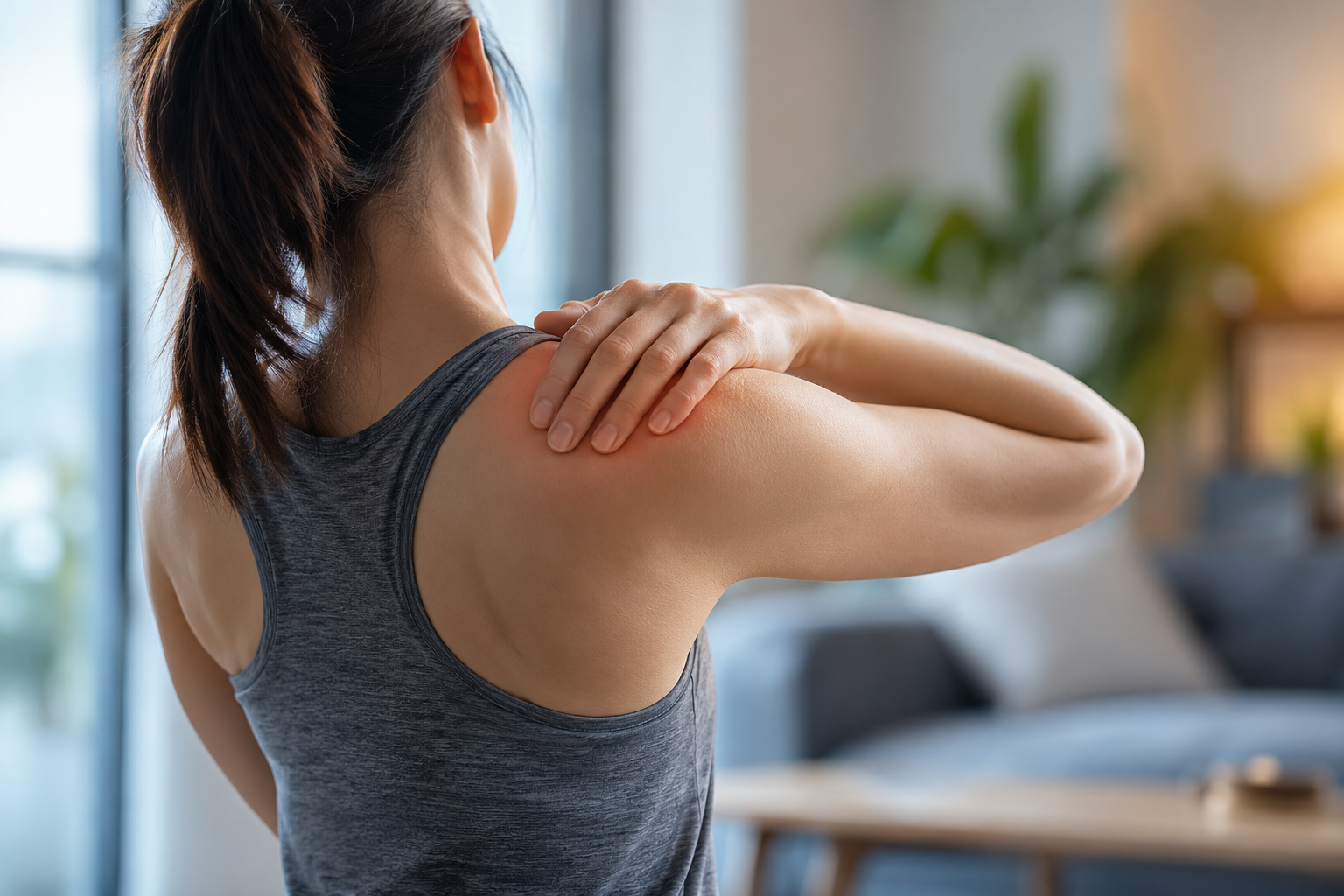
Shoulder pain is a common issue that affects Singaporeans of all walks of life, from office workers hunched over desks to athletes swinging rackets on the court. As the body’s most mobile joint, the shoulder is susceptible to injuries, overuse, and conditions like arthritis, leading to discomfort that can hinder daily tasks like lifting bags or reaching for items.
Explore the symptoms, causes, and diagnosis for shoulder pain in Singapore.


If you are a Singaporean or a Permanent Resident of Singapore, some of our orthopaedic procedures can be claimed under MediSave. The claimable amount will vary based on the procedure's complexity.
For other situations, please consult our friendly clinic staff regarding the use of your Integrated Shield Plan insurance.



Get in touch with Orthopaedic Specialist Dr James Tan today to discuss your concerns and explore the best treatment options for your bones, joints, muscles and spine.


Monday - Friday: 8:30am - 5:30pm
Saturday: 8:30am - 12:30pm
Sunday & Public Holiday: Closed


