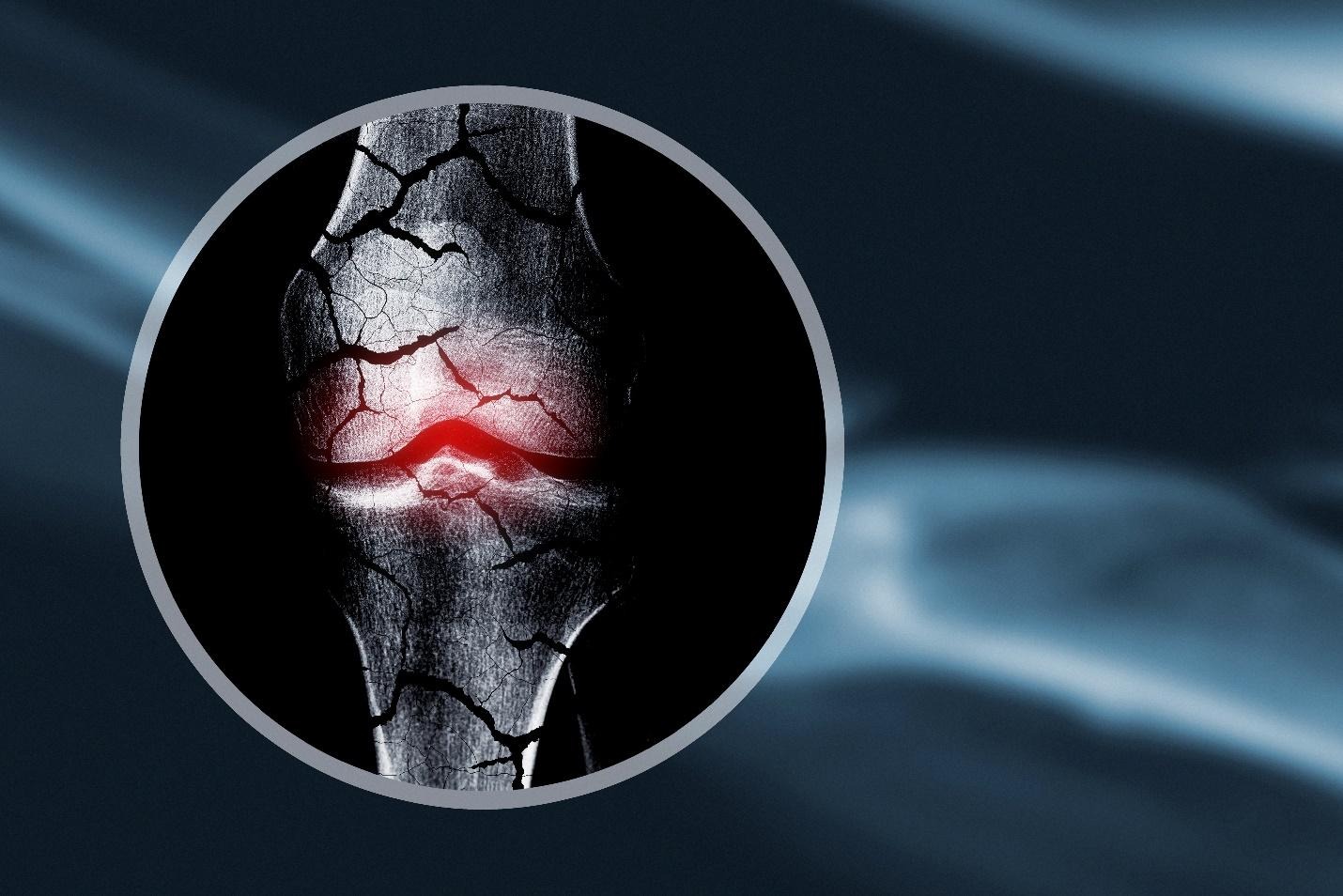
Osteoporosis is a condition in Singapore characterised by reduced bone density and deterioration of bone structure. This weakens bones over time, increasing the likelihood of fractures, particularly in the: Because bone loss occurs gradually and without symptoms, many people are unaware they have osteoporosis until a fracture occurs. What are fragility fractures? A fragility fracture […]
Read More


Rheumatoid arthritis (RA) is a chronic inflammatory autoimmune condition that most commonly affects the joints, resulting in pain, swelling and stiffness. Unlike wear-and-tear forms of arthritis, RA arises when the immune system mistakenly attacks the synovial lining of joints, provoking persistent inflammation that can gradually damage cartilage and bone. While RA commonly affects joints in […]
Read More

Hip pain is often more complex than it appears, with labral tears being a common but overlooked cause.
Read More

Viscosupplementation is a medical treatment that involves injecting hyaluronic acid into a joint, most commonly the knee, to improve lubrication, cushioning and joint movement. Hyaluronic acid is a naturally occurring substance found in healthy joint fluid, where it helps absorb shock and allows bones to glide smoothly during movement. In conditions such as osteoarthritis, the […]
Read More

Extracorporeal Shockwave Therapy (ESWT) is a non-invasive treatment that uses targeted acoustic waves to stimulate healing in injured or painful musculoskeletal tissues. It is commonly used for chronic tendon, ligament and soft tissue conditions that have not responded well to rest or conventional treatments. ESWT does not involve surgery, injections or medication. Instead, it works […]
Read More

Fracture fixation and trauma surgery are specialised procedures aimed at stabilising broken bones and restoring normal alignment. Unlike conservative management, such as casts or braces, surgical fixation allows precise realignment of bone fragments, protects surrounding tissues and supports earlier movement. This approach is essential for complex fractures, fractures involving joints or injuries at high risk […]
Read More

Minimally invasive spine surgery is a less disruptive alternative to traditional open surgery for selected spinal conditions. Rather than a single large incision, the procedure is performed through keyhole-sized openings (typically 1–3 cm) using specialised instruments, tubular retractors and imaging guidance to access and treat the spine while preserving the surrounding muscles, ligaments and healthy […]
Read More

Cartilage damage is a common cause of persistent joint pain and reduced mobility, especially in active individuals or those with early degenerative changes. Cartilage repair and regeneration treatments help rebuild or restore damaged tissue, relieve discomfort and support healthier joint movement. These approaches target the underlying problem rather than only managing symptoms. What is cartilage […]
Read More

Arthroscopy is a minimally invasive surgical procedure used to diagnose and treat conditions affecting the joints. Instead of making large incisions, the surgeon inserts a thin camera called an arthroscope through small incisions around the joint. This allows them to view the internal structures on a high-definition screen and perform precise treatment through additional tiny […]
Read More

Joint replacement is a surgical procedure that removes the painful, worn-out parts of a joint and replaces them with artificial components known as implants or prostheses. These implants are shaped to mimic natural bone surfaces and are designed to restore smooth movement, reduce pain and allow the joint to function more normally again. This procedure […]
Read More

Spinal stenosis is a condition where the spaces within the spine gradually narrow, reducing the room available for the spinal cord or exiting nerve roots. It most commonly affects the cervical spine (neck) and lumbar spine (lower back). When treatment is delayed, progressive narrowing may lead to increasing nerve irritation and reduced mobility. Gradually, individuals […]
Read More

The spine is a supportive column made up of individual bones (vertebrae) separated by intervertebral discs. These discs function as cushions, absorbing impact from daily activities such as walking, bending and lifting. They also allow the spine to remain flexible while protecting the spinal cord and nerve roots. Healthy discs help maintain proper spacing between […]
Read More

The spine is designed to appear straight when viewed from the back, allowing the body to remain balanced while standing and moving. It also protects the spinal cord and distributes mechanical forces evenly during daily activities. Scoliosis is a condition where the spine curves sideways in an abnormal “C” or “S” shape, often accompanied by […]
Read More

The sciatic nerve is the largest and longest nerve in the human body. It originates from the lower lumbar and sacral spine, passes through the pelvis and buttock region and extends down the back of each leg to the foot. Because of its length and pathway, the sciatic nerve is particularly vulnerable to compression or […]
Read More

The spine is made up of bones called vertebrae, separated by intervertebral discs that act as shock absorbers and allow movement. Each disc has a tough outer layer (annulus fibrosus) and a gel-like inner core (nucleus pulposus). A disc herniation happens when the inner core pushes through a weakened part of the outer layer. This […]
Read More

The hamstrings are a group of three muscles located at the back of the thigh that work together to bend the knee and extend the hip. They play a key role in walking, running, sprinting and sudden acceleration or deceleration movements. Hamstring injuries occur when these muscles or their tendons are overstretched or overloaded, leading […]
Read More

The Achilles tendon is a thick, fibrous cord that connects the calf muscles, making it essential for everyday movement. It plays a vital role in walking, running, jumping and push-off power. Achilles tendinitis refers to irritation, inflammation and degeneration of the tendon due to overuse or mechanical stress. In more severe cases, the tendon may […]
Read More

Shin splints, medically known as medial tibial stress syndrome, are a common cause of lower leg pain, particularly among runners, athletes and individuals who engage in repetitive weight-bearing activities. It occurs along the inner border of the tibia, typically in the lower two-thirds of the leg. The condition develops when the muscles, tendons and bone […]
Read More

Iliotibial (IT) Band Syndrome is a common overuse condition that causes pain along the outer side of the knee or thigh. It occurs when the iliotibial band, a thick band of connective tissue running from the hip to the shin, becomes irritated due to repeated friction or tension during movement. Although frequently seen in runners […]
Read More

Runner’s Knee, also known as Patellofemoral Pain Syndrome (PFPS), is a common source of discomfort among active individuals, especially those who run, hike or engage in sports that involve repeated knee bending. Although often associated with athletes, it can also affect individuals who spend long hours on their feet, have muscular imbalances, or are returning […]
Read More

A stress fracture is a small crack or area of weakened bone caused by repeated mechanical loading rather than a single traumatic injury. These injuries develop gradually when bones are exposed to repetitive stress without sufficient time for repair. In Singapore, stress fractures are increasingly seen among runners, gym-goers, National Service personnel and individuals participating […]
Read More

Osteoarthritis (OA) is the most common form of arthritis worldwide and a leading cause of joint pain (joint and bone conditions page) and disability in Singapore. Its significance is evident in recent studies, where it is estimated that about 11% of Singaporean adults have symptomatic knee osteoarthritis, with the prevalence increasing to nearly 20% among […]
Read More

Frozen shoulder, or adhesive capsulitis, is a condition where the shoulder joint becomes stiff, painful and progressively restricted in movement. It occurs when the capsule surrounding the shoulder joint thickens and tightens, forming adhesions that limit motion. The condition typically develops gradually over months and can severely affect daily activities, such as reaching overhead, dressing […]
Read More

Back pain is one of the most frequent musculoskeletal complaints affecting people of all ages. It can range from mild discomfort to severe pain that interferes with daily life. While most people will experience back pain at some point, persistent or recurring pain may indicate an underlying problem that needs medical attention. The pain can […]
Read More


