


Osteoporosis is a progressive condition in which bones gradually lose density and structural integrity, often without any symptoms until a fracture occurs. In Singapore, it is increasingly common, particularly among older adults and postmenopausal women, and carries serious consequences: a fragility fracture from a simple fall can result in prolonged immobility, loss of independence and a significantly elevated risk of further fractures. Because bone loss is silent, many people are unaware of the condition until significant damage has already occurred.
At Ray of Health, Dr James Tan provides comprehensive assessment and personalised management for osteoporosis and fragility fractures, from bone density evaluation and nutritional optimisation to medical treatment, fracture rehabilitation and fall prevention strategies, with the goal of protecting bone health, restoring function and reducing long-term fracture risk.
|
Purpose |
Strengthening bones, reducing fracture risk and supporting recovery from fragility fractures, while addressing the underlying causes of bone loss. |
|
Recommended for |
Individuals with known or suspected osteoporosis, those who have sustained a low-impact fracture, or anyone at elevated risk due to age, hormonal changes, medication use or family history. |
|
Treatment approach |
Combines nutritional optimisation, exercise, fall prevention, anti-osteoporosis medications and rehabilitation. Surgical stabilisation may be required for significant fractures such as hip or vertebral injuries. |
|
Hospital stay |
Most osteoporosis management is outpatient. Fragility fractures requiring surgery, such as hip fractures, involve a hospital admission of several days followed by structured rehabilitation. |
|
Recovery |
Medical management is long-term and ongoing. Fracture recovery varies by location and severity. |
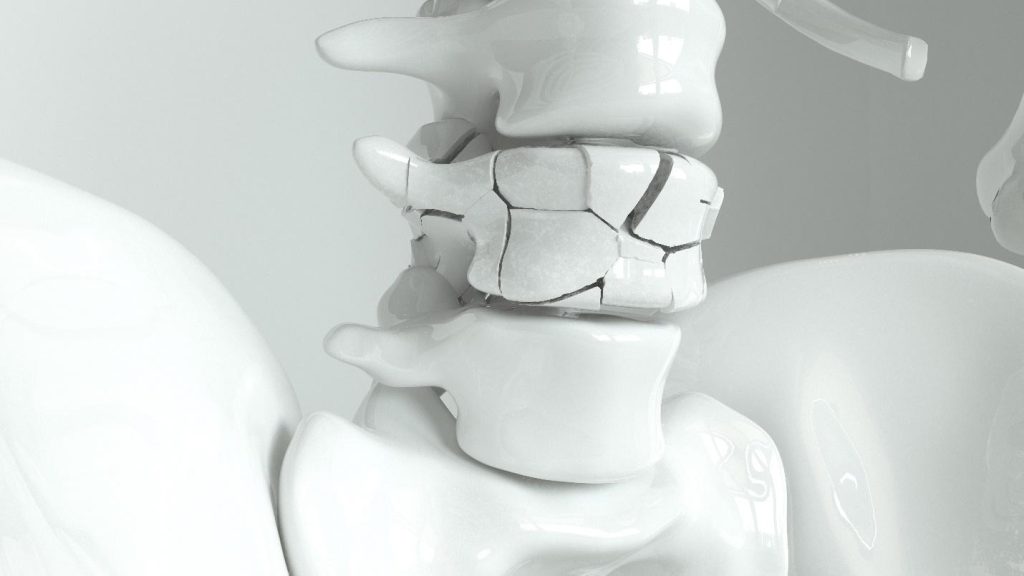
Osteoporosis is a condition in Singapore characterised by reduced bone density and deterioration of bone structure. This weakens bones over time, increasing the likelihood of fractures, particularly in the:
Because bone loss occurs gradually and without symptoms, many people are unaware they have osteoporosis until a fracture occurs.
A fragility fracture refers to a broken bone resulting from minimal trauma that would not normally cause injury to healthy bones.
Common examples include:
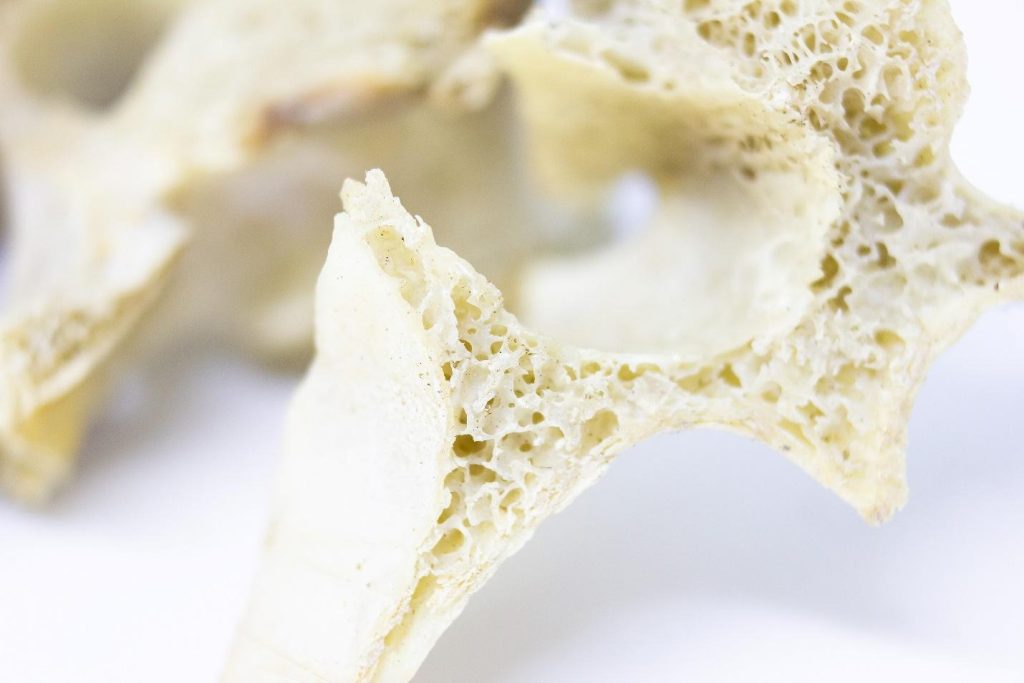
The condition develops when the natural process of bone renewal becomes imbalanced. Healthy bones are constantly broken down and rebuilt, but certain biological changes can disrupt this cycle and weaken the skeleton over time.
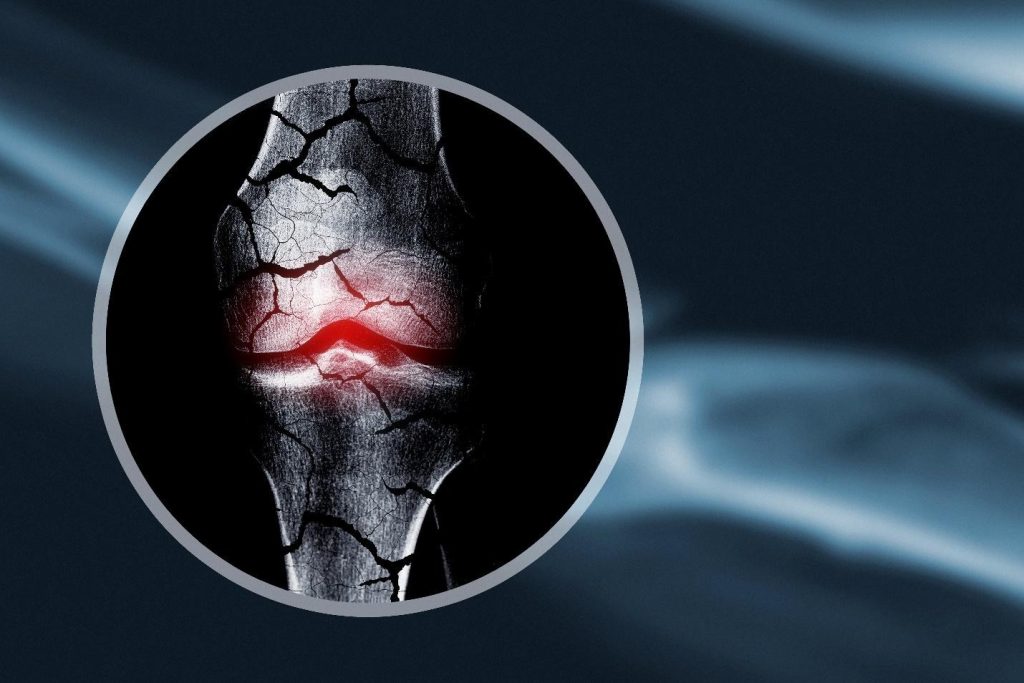
Although osteoporosis itself does not cause pain, certain subtle signs may suggest reduced bone strength, especially as the condition progresses:
Fragility fractures occur when weakened bones break under forces that would not normally cause injury, such as a simple fall from standing height. The symptoms depend on the location of the fracture, but commonly include:

Certain factors can increase the likelihood of developing osteoporosis or sustaining fragility fractures, such as:
Identifying osteoporosis early is crucial in preventing fractures and preserving long-term mobility. A thorough evaluation helps determine bone strength, uncover contributing factors and guide a personalised management plan.

Managing osteoporosis and fragility fractures requires a comprehensive approach that goes beyond symptom relief. It often consists of a combination of treatments, such as:

If you are concerned about bone strength, have experienced a low-impact fracture or wish to reduce your future fracture risk, a medical assessment can provide clarity and reassurance.
Dr James Tan offers comprehensive evaluation and tailored management plans to support long-term bone health and safe recovery. Contact the clinic today to arrange an appointment and take a proactive step towards safeguarding your bone health.
With early diagnosis and appropriate treatment, many individuals experience stabilisation or improvement in bone density and a significant reduction in fracture risk. Long-term outcomes are optimised with consistent medication use, fall prevention strategies and regular medical follow-up.
Yes. Osteoporosis is increasingly common in Singapore, particularly among older adults and postmenopausal women, due to ageing, lifestyle factors and nutritional gaps.
Yes. Most people with osteoporosis have no symptoms until a fracture occurs, which is why it is often referred to as a “silent disease”.
While more common with age, osteoporosis can occur in younger individuals due to hormonal issues, long-term medication uses or underlying medical conditions.
Not necessarily. With early diagnosis, appropriate treatment and lifestyle adjustments, fracture risk can be significantly reduced.
A fragility fracture occurs from minimal trauma, such as a fall from standing height or less and often indicates weakened bones.
Yes. They can lead to long-term pain, reduced mobility, loss of independence and increased risk of future fractures if underlying bone health is not addressed.
Yes. Having one fragility fracture significantly raises the likelihood of sustaining another fracture in the future.
Recovery varies depending on fracture location, severity and overall health, but rehabilitation and physiotherapy play a key role in restoring function.
Many can be prevented through osteoporosis treatment, fall prevention strategies, strength training and regular medical review.

Dr James Tan, our Orthopaedic Specialist at Ray of Health, deals with various orthopaedic conditions of the body. He advises his patients to consult him in case of any pain or injury at the earliest so that the condition can be assessed and diagnosed properly.


If you are a Singaporean or a Permanent Resident of Singapore, some of our orthopaedic procedures can be claimed under MediSave. The claimable amount will vary based on the procedure's complexity.
For other situations, please consult our friendly clinic staff regarding the use of your Integrated Shield Plan insurance.


The information provided on this page is for educational purposes only and is not intended as a substitute for professional medical advice or treatment. Always consult your healthcare provider or specialist doctor regarding any medical condition that you might be facing and act on the doctor’s recommendations.
References:

Get in touch with Orthopaedic Specialist Dr James Tan today to discuss your concerns and explore the best treatment options for your bones, joints, muscles and spine.


Monday - Friday: 8:30am - 5:30pm
Saturday: 8:30am - 12:30pm
Sunday & Public Holiday: Closed


