


Scoliosis is a condition in which the spine curves abnormally sideways, often accompanied by vertebral rotation that alters posture, spinal balance and load distribution. It can develop during adolescence, when it is most commonly idiopathic with no single identifiable cause, or later in adulthood as a result of degenerative disc and joint changes. While mild curves may cause little disruption, more significant curvatures can progress over time, leading to chronic back pain, reduced mobility and in severe cases, complications affecting lung and heart function.
At Ray of Health, Dr James Tan provides structured assessment and personalised management for scoliosis across all age groups and curve severities, from observation, bracing and physiotherapy-based exercise programmes through to surgical correction for curves that are severe or progressive, with the goal of protecting long-term spinal health and quality of life.
|
Purpose |
Monitoring spinal curvature, preventing curve progression and managing symptoms, with surgical correction reserved for severe or progressive cases that cannot be adequately managed conservatively. |
|
Recommended for |
Adolescents flagged during school screening or showing signs of postural asymmetry, as well as adults experiencing back pain, stiffness or functional limitations related to spinal curvature. |
|
Treatment approach |
Ranges from observation and periodic imaging for mild curves, to bracing for moderate adolescent curves, physiotherapy and scoliosis-specific exercise programmes, and spinal fusion surgery for curves exceeding 50 degrees or causing significant symptoms. |
|
Hospital stay |
Conservative management is entirely outpatient. Spinal fusion surgery requires an inpatient admission of several days followed by structured rehabilitation. |
|
Recovery |
Conservative management is ongoing and long-term, with regular monitoring to track curve progression. Surgical recovery involves a structured rehabilitation programme, with most patients gradually returning to daily activities over several months. |
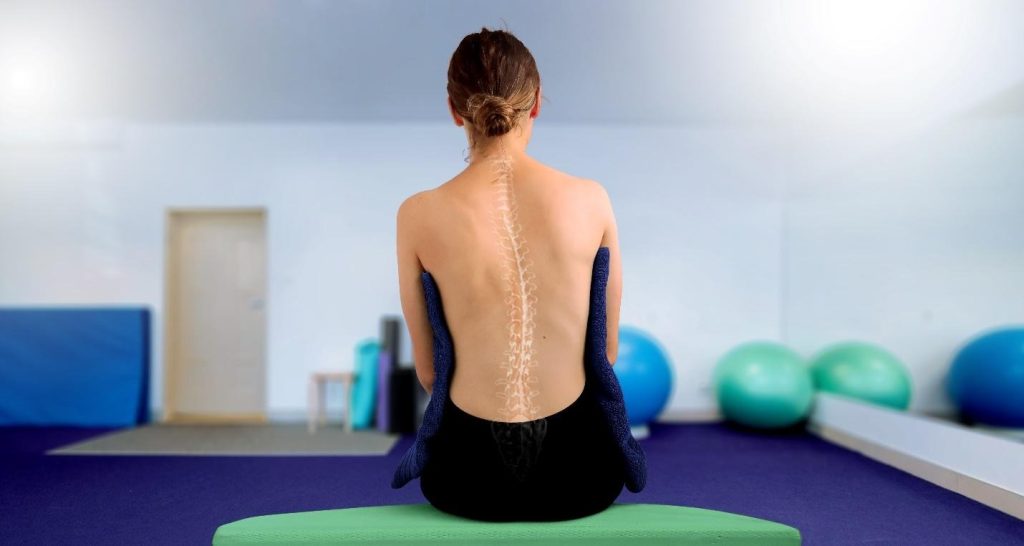
The spine is designed to appear straight when viewed from the back, allowing the body to remain balanced while standing and moving. It also protects the spinal cord and distributes mechanical forces evenly during daily activities.
Scoliosis is a condition where the spine curves sideways in an abnormal “C” or “S” shape, often accompanied by vertebral rotation. This alters normal spinal alignment and can affect posture, balance and load distribution. While mild curves may cause little disturbance, more significant curvatures can progressively influence biomechanics and overall function.
Scoliosis can develop during adolescence or later in adulthood due to degenerative spinal changes.
Scoliosis is classified based on its underlying origin, which includes:
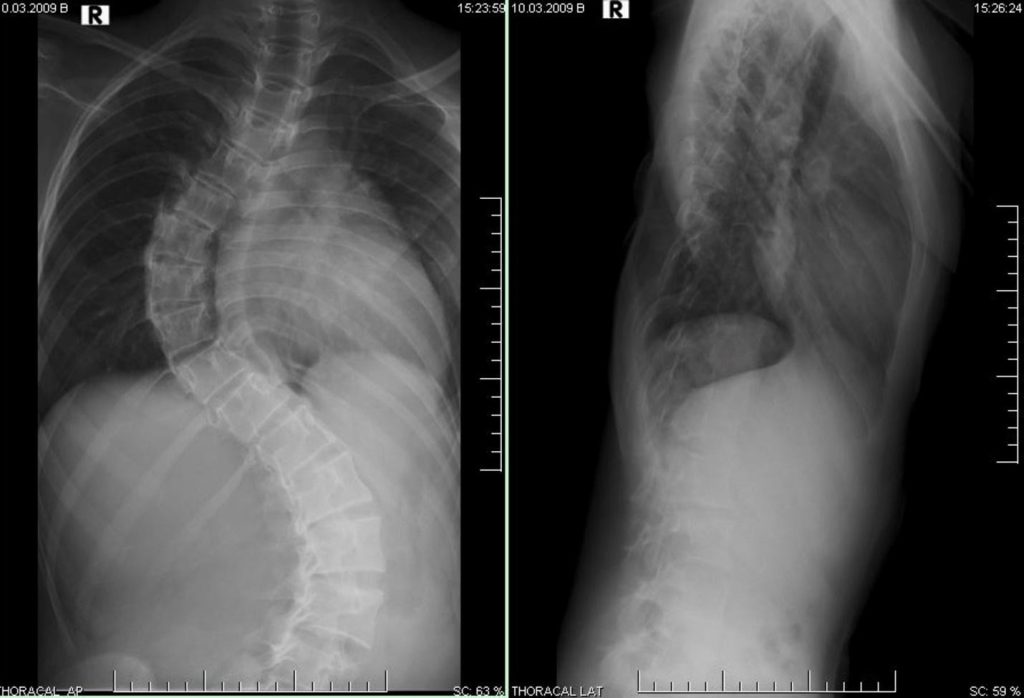
The condition develops through structural or biomechanical imbalance within the spine. That can include:
Symptoms vary depending on age and curve severity, but may include:
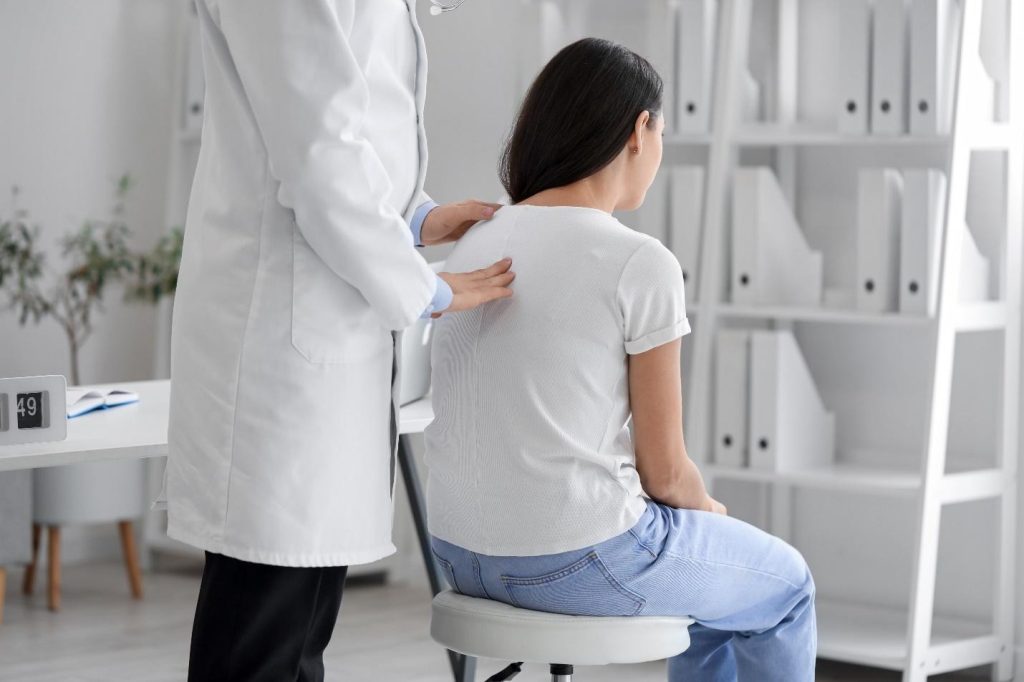
Diagnosing scoliosis involves a structured evaluation that is designed to assess its severity and develop a personalised management plan. A thorough assessment ensures that the chosen treatment is appropriate for the type, location and progression of the spinal curve.
This initial step helps Dr James Tan understand how scoliosis affects you and how it has developed over time. The focus includes:
The next stage evaluates posture, spinal alignment and neurological function. Dr James Tan will perform:
Imaging provides objective information about curve magnitude, structural changes and potential nerve compression. Our imaging approach includes:
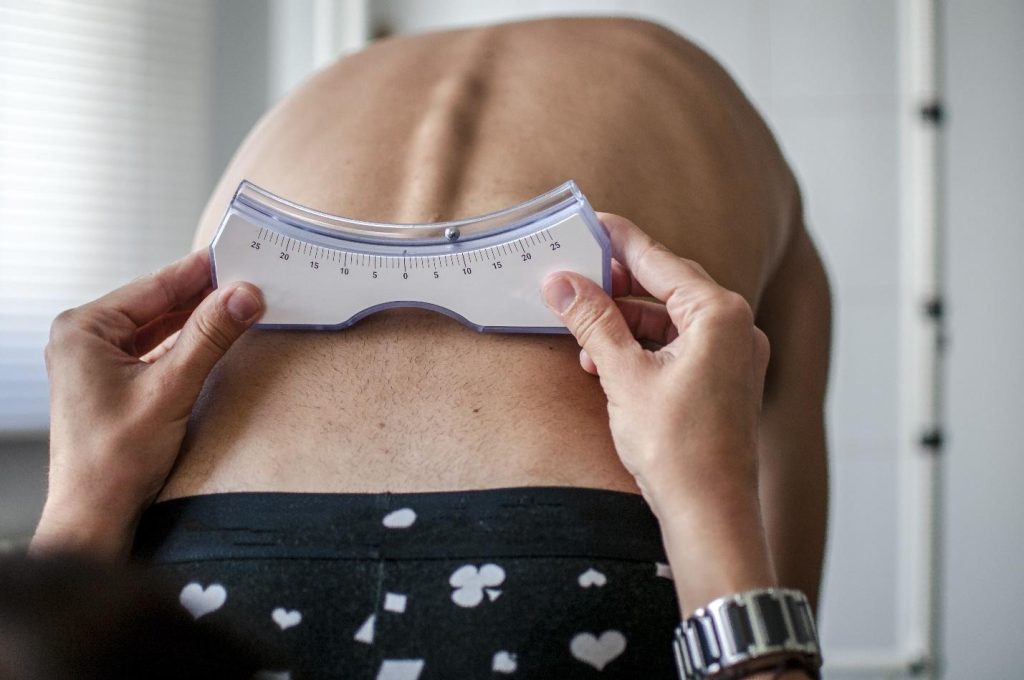
The severity of the condition is measured using the Cobb angle, which guides monitoring and treatment planning:
Staging is crucial as it helps determine whether observation, bracing or surgical correction is appropriate.
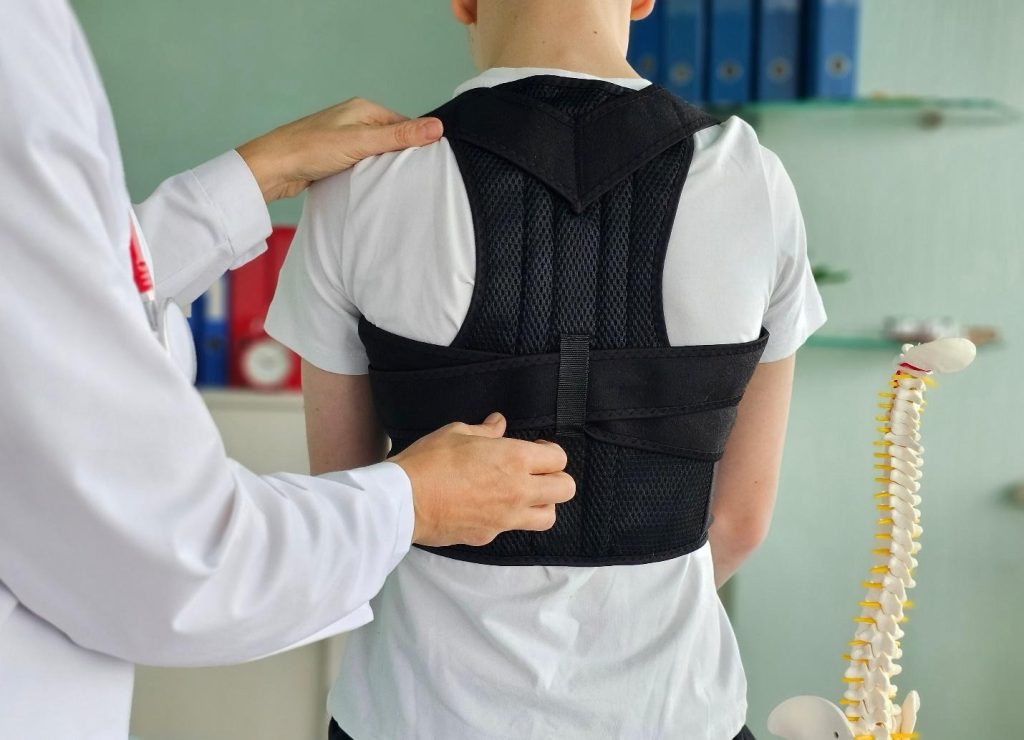
Management of scoliosis is tailored to the patient’s age, curve severity, growth stage and functional limitations. Dr James Tan develops personalised plans to maintain spinal health, prevent progression and support quality of life.
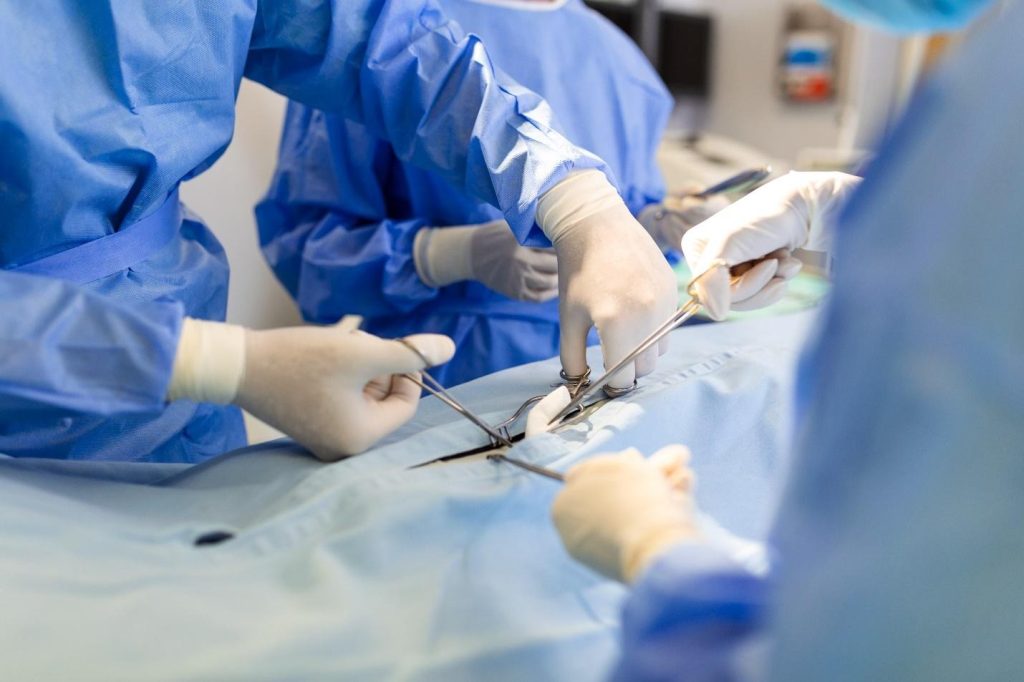
Surgery is typically considered for severe or progressive curves when conservative measures are insufficient. Surgical approaches aim to correct alignment, stabilise the spine and prevent long-term complications such as pain or cardiopulmonary compromise.
However, it is often the last resort for managing scoliosis. This is due to its invasive nature and potential complications. As such, surgery is only considered when:
If significant scoliosis progresses without monitoring or intervention, potential complications may include:
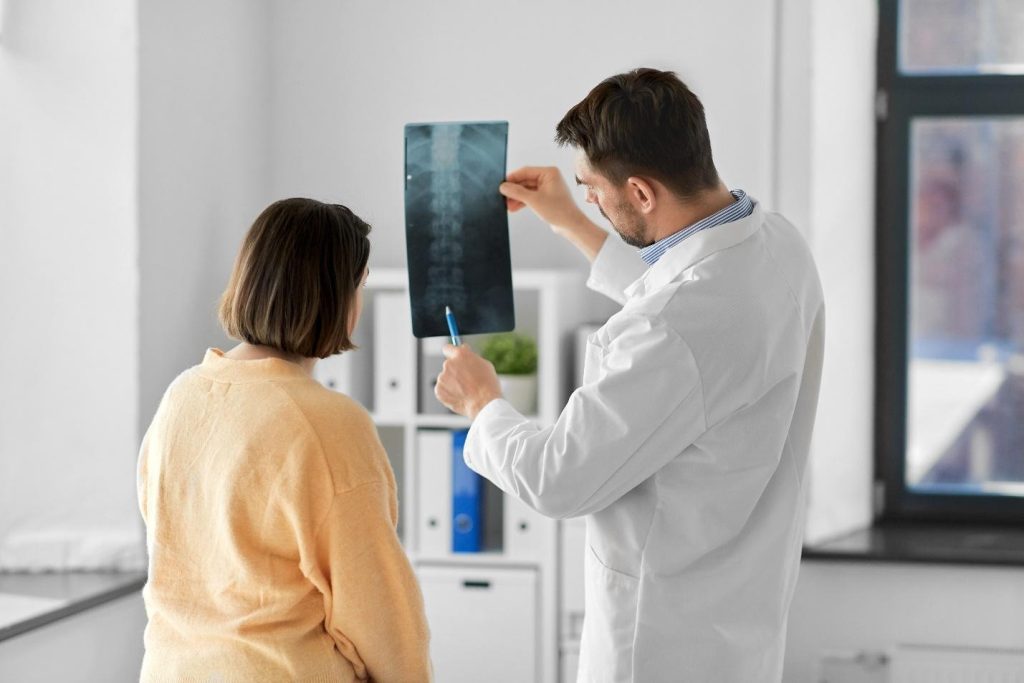
If you have noticed uneven shoulders, postural imbalance or persistent back fatigue or if your child has been flagged during school screening, an early assessment can provide clarity and reassurance.
A consultation with Dr James Tan allows for a structured evaluation, a clear explanation of curve severity and personalised guidance on whether monitoring, physiotherapy or further intervention is needed.
Book an appointment today to take proactive steps to protect your long-term spinal health.
Not always. Many adolescents experience scoliosis without any pain. Adults are more likely to notice discomfort, stiffness or back pain, often due to age-related changes in the spine.
Structural scoliosis does not spontaneously correct itself. Mild curves may remain stable over time, but regular monitoring is important to detect progression.
Yes, in certain cases. Mild scoliosis typically does not affect breathing. However, in more severe curves, particularly those affecting the thoracic (mid-back) spine, the rib cage can become distorted as the spine rotates and curves. This may reduce the space available for the lungs to fully expand, potentially leading to shortness of breath, reduced exercise tolerance, or fatigue.
Breathing impact is more commonly seen in severe curves (often greater than 70–80 degrees). Early assessment and monitoring help identify progressive curves before they reach a stage where lung function may be affected.
Yes, degenerative scoliosis can develop in adulthood due to wear and tear of spinal discs and joints, often combined with reduced flexibility and muscle support.
There is no strong evidence that backpacks or heavy bags directly cause structural scoliosis. However, prolonged poor posture while carrying weight can contribute to back discomfort.
Surgery is usually considered for severe curves (typically >50 degrees), progressive deformities despite bracing, significant pain or neurological symptoms. Surgical planning is personalised to maximise correction and preserve spinal function.
Surgical correction stabilises the treated segment, but other areas of the spine may continue to age or develop curvature. Long-term monitoring and proper spinal care are recommended.
While genetic or congenital factors cannot be changed, maintaining good posture, spinal strength, flexibility and regular check-ups can reduce progression risk and support long-term spinal health.
Yes, targeted physiotherapy, scoliosis-specific exercises (PSSE) and low-impact activities like swimming and yoga can improve posture, strengthen core muscles and enhance spinal stability.
If it is left untreated, scoliosis may lead to increased curve progression, back pain, reduced mobility, respiratory difficulties (for thoracic curves) and potential nerve irritation. Early assessment helps prevent these outcomes.
Monitoring frequency depends on age, growth and curve severity. Children with small curves may require check-ups every 4 to 6 months, while adults may need annual reviews to detect changes early.
If you are experiencing joint pain, sports injuries or musculoskeletal concerns, our Sports Orthopaedic Surgeon can provide a personalised consultation and assessment to better understand your condition and discuss suitable treatment options.


Dr James Tan, our sports injury specialist at Ray of Health, deals with various orthopaedic conditions of the body. He advises his patients to consult him in case of any pain or injury at the earliest so that the condition can be assessed and diagnosed properly.


If you are a Singaporean or a Permanent Resident of Singapore, some of our orthopaedic procedures can be claimed under MediSave. The claimable amount will vary based on the procedure's complexity.
For other situations, please consult our friendly clinic staff regarding the use of your Integrated Shield Plan insurance.


Get in touch with Orthopaedic Specialist Dr James Tan today to discuss your concerns and explore the best treatment options for your bones, joints, muscles and spine.


Monday - Friday: 8:30am - 5:30pm
Saturday: 8:30am - 12:30pm
Sunday & Public Holiday: Closed


