


The Achilles tendon is the strongest tendon in the body, and also one of the most commonly injured. Achilles tendinitis develops when the tendon is repeatedly overloaded beyond its capacity to recover, resulting in progressive inflammation, degeneration and pain along the back of the heel or lower calf. Left unmanaged, what begins as morning stiffness or exercise-related discomfort can worsen into chronic tendinopathy or, in more severe cases, a partial or complete rupture that significantly disrupts mobility and function.
At Ray of Health, Dr James Tan provides thorough assessment and personalised treatment for the full spectrum of Achilles conditions, from conservative load management, shockwave therapy and PRP injections for tendinitis and tendinopathy, through to surgical tendon repair for complete ruptures, with a structured rehabilitation programme to restore calf strength, ankle mobility and confident push-off mechanics.
|
Purpose |
Relieving Achilles tendon pain, promoting tendon healing and restoring push-off strength and function, while preventing progression to rupture or chronic tendinopathy. |
|
Recommended for |
Individuals experiencing pain, stiffness or swelling along the back of the heel or lower calf, particularly runners and active individuals, as well as those who have sustained a sudden loss of push-off strength that may indicate a rupture. |
|
Treatment approach |
Ranges from activity modification, footwear optimisation, physiotherapy and progressive loading for tendinitis, to shockwave therapy and PRP for chronic tendinopathy, and surgical repair for complete or severe ruptures. |
|
Hospital stay |
Conservative and injection-based treatments are entirely outpatient. Surgical repair requires a short admission or day surgery depending on complexity. |
|
Recovery |
Mild tendinitis may improve within several weeks with appropriate load management. Chronic tendinopathy and surgical cases require a longer structured rehabilitation programme, with return to running and sport typically spanning several months. |

The Achilles tendon is a thick, fibrous cord that connects the calf muscles, making it essential for everyday movement. It plays a vital role in walking, running, jumping and push-off power.
Achilles tendinitis refers to irritation, inflammation and degeneration of the tendon due to overuse or mechanical stress. In more severe cases, the tendon may partially or completely rupture.
Achilles tendon problems typically arise when the tendon is repeatedly overloaded beyond its capacity to adapt. Some of the common contributing factors include:
In contrast, a rupture most often occurs during a sudden forceful movement, such as sprinting, jumping or pushing off explosively.
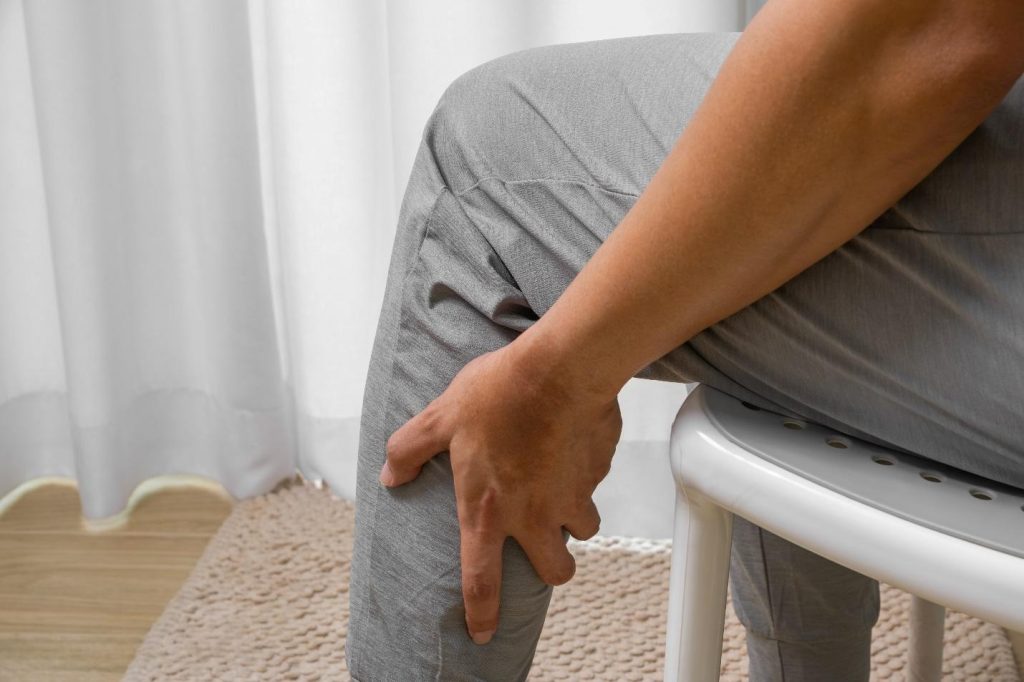
Symptoms of Achilles tendinitis may develop gradually and include:
Meanwhile, a rupture typically presents with:
Certain individuals are more likely to develop Achilles problems due to:
Without appropriate management, Achilles conditions can progress and lead to complications such as:
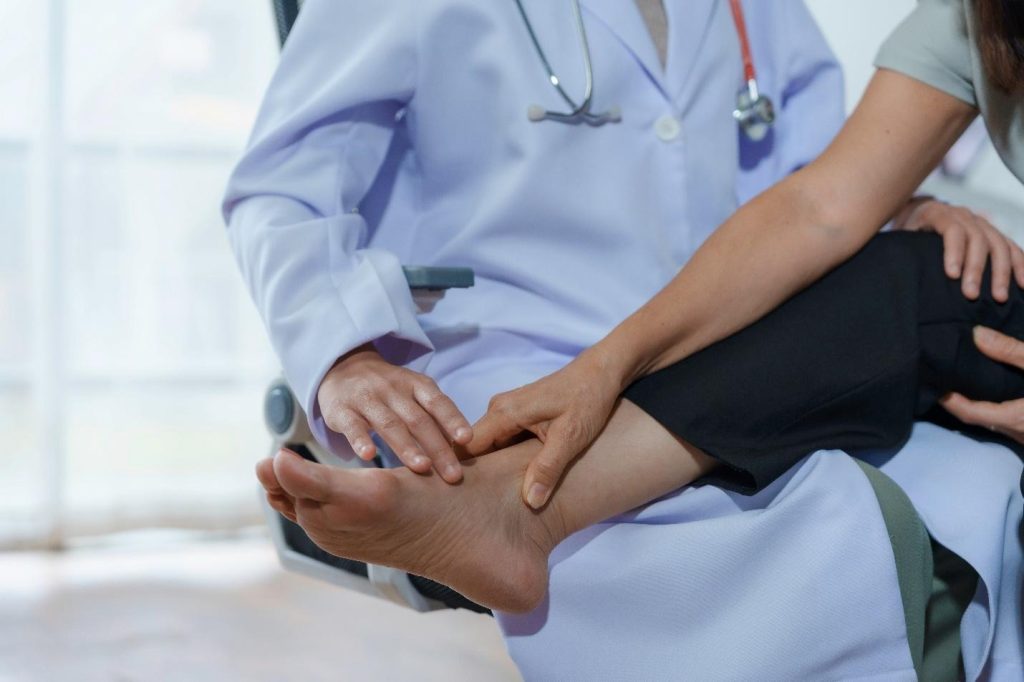
Dr James Tan performs a structured assessment to confirm Achilles tendon pathology, determine whether the injury is inflammatory, degenerative or ruptured, and exclude other causes of heel or calf pain.
The process involves:
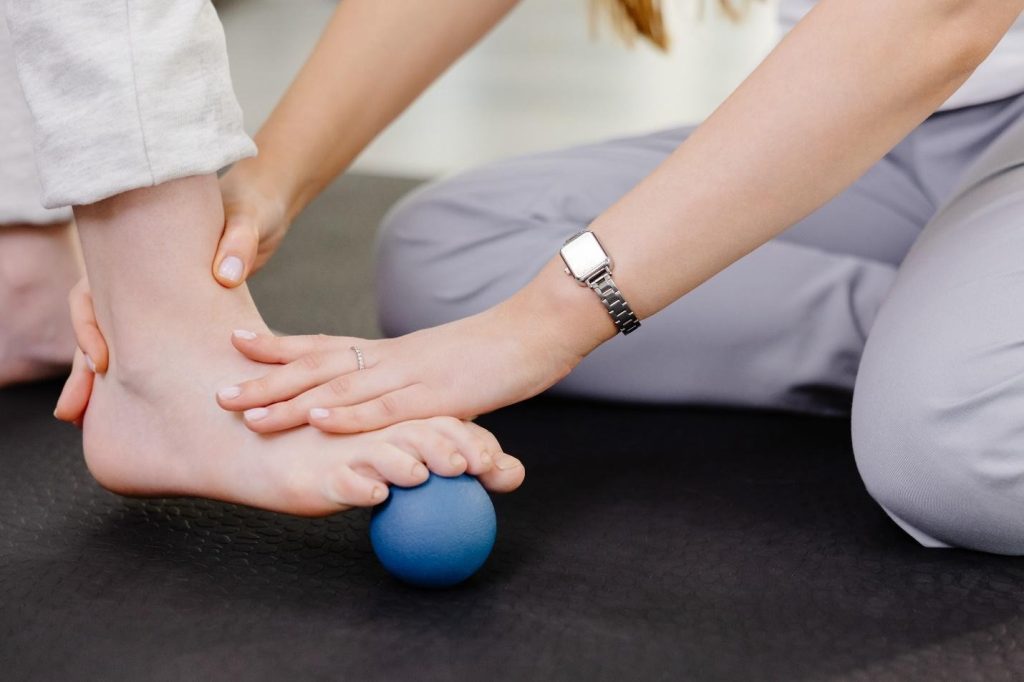
Treatment for Achilles tendinitis or rupture is individualised and depends on the extent of tendon damage, symptom duration and functional demands. It aims to reduce pain, promote tendon healing and support a safe return to activity.
Achilles pain is often attributed to training fatigue, but it can also signal structural changes that warrant professional evaluation.
Whether you are struggling with persistent tendon pain or a sudden loss of push-off strength, booking an appointment with Dr James Tan allows for a comprehensive assessment and an evidence-based recovery plan. Focused care can help you return to activity with confidence and reduce the risk of future injury.
The terms are often used interchangeably, but they describe slightly different processes. Tendinitis refers to inflammation of the tendon, while tendinopathy describes longer-term degenerative changes within the tendon fibres. In practice, many people with ongoing Achilles pain have a combination of both.
Morning stiffness occurs because the tendon shortens slightly during rest. When weight is first placed on the foot, the stiff tendon is suddenly loaded, causing discomfort that often eases as movement increases.
Yes, pain around the Achilles region may also originate from calf muscle strains, bursitis at the back of the heel or irritation where the tendon inserts into the heel bone. A proper assessment helps distinguish these conditions and ensure appropriate treatment.
No. Most cases of Achilles tendinitis are managed without surgery. Surgical treatment is generally reserved for complete ruptures or cases where structured non-surgical management has not restored function.
Recovery varies depending on severity, duration of symptoms and adherence to rehabilitation. However, patients can expect:
Modified or alternative low-impact activities are often recommended during recovery. Returning to sport too early may delay healing or increase the risk of rupture.
Recurrence is possible, especially if training errors, footwear issues or strength deficits are not addressed. Ongoing load management and conditioning reduce the likelihood of symptoms returning.
Light walking is usually safe for mild cases, but prolonged walking, hills or uneven surfaces can worsen symptoms. Activity should be adjusted based on pain levels rather than pushed through discomfort.
Stretching may help in some cases, but can worsen pain if done aggressively or too early. Stretching should be guided and introduced gradually as part of a structured rehabilitation plan.
You should seek prompt medical review if:
If you are experiencing joint pain, sports injuries or musculoskeletal concerns, our Sports Orthopaedic Surgeon can provide a personalised consultation and assessment to better understand your condition and discuss suitable treatment options.


Dr James Tan, our sports injury specialist at Ray of Health, deals with various orthopaedic conditions of the body. He advises his patients to consult him in case of any pain or injury at the earliest so that the condition can be assessed and diagnosed properly.


If you are a Singaporean or a Permanent Resident of Singapore, some of our orthopaedic procedures can be claimed under MediSave. The claimable amount will vary based on the procedure's complexity.
For other situations, please consult our friendly clinic staff regarding the use of your Integrated Shield Plan insurance.


Get in touch with Orthopaedic Specialist Dr James Tan today to discuss your concerns and explore the best treatment options for your bones, joints, muscles and spine.


Monday - Friday: 8:30am - 5:30pm
Saturday: 8:30am - 12:30pm
Sunday & Public Holiday: Closed


