


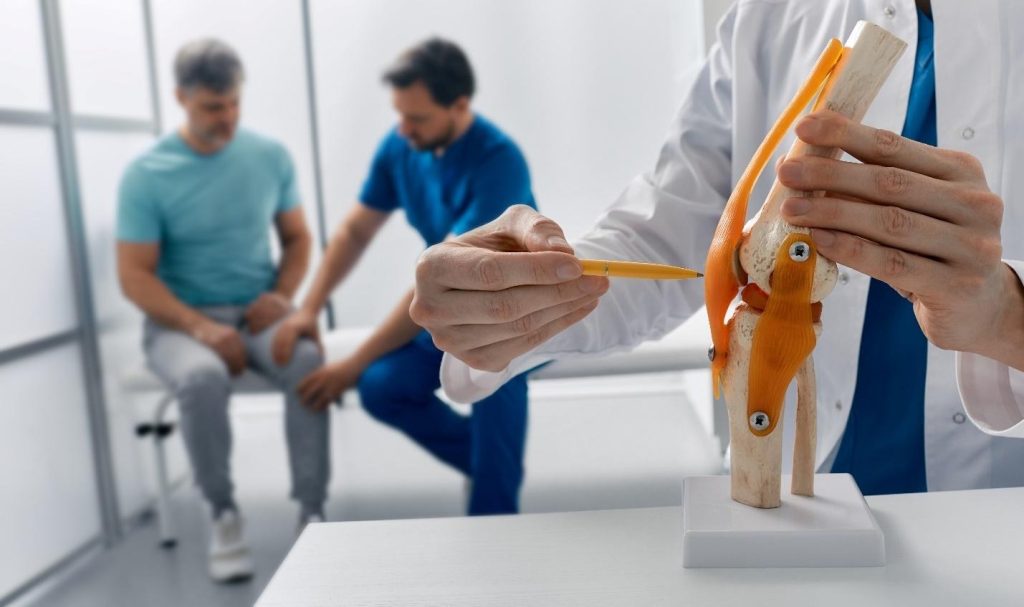
At a glance
| Non-surgical options | Physiotherapy, rehabilitation, PRP and hyaluronic acid injections may help relieve pain, improve mobility and delay surgery in suitable patients. |
| Surgical options | Arthroscopy, cartilage repair, joint replacement, minimally invasive spine surgery and fracture fixation are considered when structural damage or persistent symptoms require operative treatment. |
| Treatment recommendations | Based on your diagnosis, imaging findings, symptom severity, lifestyle and treatment goals. |
| Recovery | Varies from a few days for some non-surgical treatments to several months following major surgery, with rehabilitation playing a key role. |
| Goal | Relieve pain, restore movement and help you return safely to daily activities, work and sport. |
Joint pain, sports injuries and back problems can make even simple daily activities difficult. Whether you're struggling with knee pain when climbing stairs, shoulder stiffness that limits movement or a sports injury that isn't improving, the right treatment starts with an accurate diagnosis.
Today, orthopaedic treatment in Singapore includes a wide range of non-surgical and surgical options, from regenerative injections to minimally invasive procedures and joint replacement surgery. The most appropriate treatment depends on your diagnosis, the severity of the condition, your lifestyle and your treatment goals.
This guide explains the orthopaedic treatments available in Singapore, when they may be recommended and what you can expect throughout your treatment journey, helping you make informed decisions about your musculoskeletal health.
Orthopaedic treatment focuses on conditions affecting the musculoskeletal system, including the bones, joints, muscles, tendons, ligaments, cartilage and spine. These conditions may develop gradually through ageing and wear and tear or occur suddenly following an injury or accident.
Some of the most common orthopaedic conditions include:
| CONDITION | OVERVIEW |
| Osteoarthritis | A degenerative joint condition in which cartilage gradually wears away, leading to pain, stiffness and reduced mobility. Treatment ranges from conservative therapies and injections to joint replacement surgery, depending on severity. |
| Sports Injuries | Injuries involving muscles, ligaments, tendons or cartilage, commonly caused by trauma or repetitive strain. Examples include meniscus tears, rotator cuff injuries, ankle sprains and ligament injuries. |
| Cartilage Injuries | Damage to the smooth cartilage lining the joint, often resulting from sports injuries or trauma. Early treatment may help preserve the joint and slow further degeneration. |
| Tendon and Ligament Injuries | Injuries affecting the tissues that support movement and joint stability, such as rotator cuff tears, Achilles tendinopathy and ACL injuries. Treatment depends on the severity of the injury. |
| Fractures | Broken bones caused by trauma, falls or osteoporosis. While some fractures heal with immobilisation, others require surgical fixation to restore alignment and stability. |
| Spine Conditions | Disorders affecting the cervical, thoracic or lumbar spine, including slipped discs, spinal stenosis and degenerative spine conditions that may cause back pain, neck pain or nerve compression. |
| Joint Degeneration | Progressive deterioration of the joint caused by ageing, previous injuries or inflammatory conditions. Early intervention may help preserve joint function and delay more advanced treatment. |
Many orthopaedic conditions can present with similar symptoms, but the underlying cause may be very different. For example, knee pain may result from osteoarthritis, a meniscus tear, ligament injury or cartilage damage, each requiring a different treatment approach. For this reason, obtaining an accurate diagnosis is the first step towards selecting the most appropriate treatment.
It should be noted that whenever appropriate, conservative treatment is usually considered first. Surgery may be recommended when symptoms persist despite these measures, when structural damage is significant or when it is likely to provide the best long-term outcome.
One of the biggest misconceptions about visiting an orthopaedic specialist is that surgery is inevitable. In reality, this is far from the case.
Many orthopaedic conditions can be treated effectively without an operation, especially when they are identified early or have not yet caused significant structural damage. Depending on your diagnosis, symptoms and activity level, conservative treatment may help reduce pain, improve mobility and, in some cases, slow disease progression.
For many patients, non-surgical treatments are an attractive first-line option because they are minimally invasive and generally involve shorter recovery times. Although they are not appropriate for every condition, they may relieve symptoms, improve function and, in suitable cases, delay or even avoid the need for surgery.
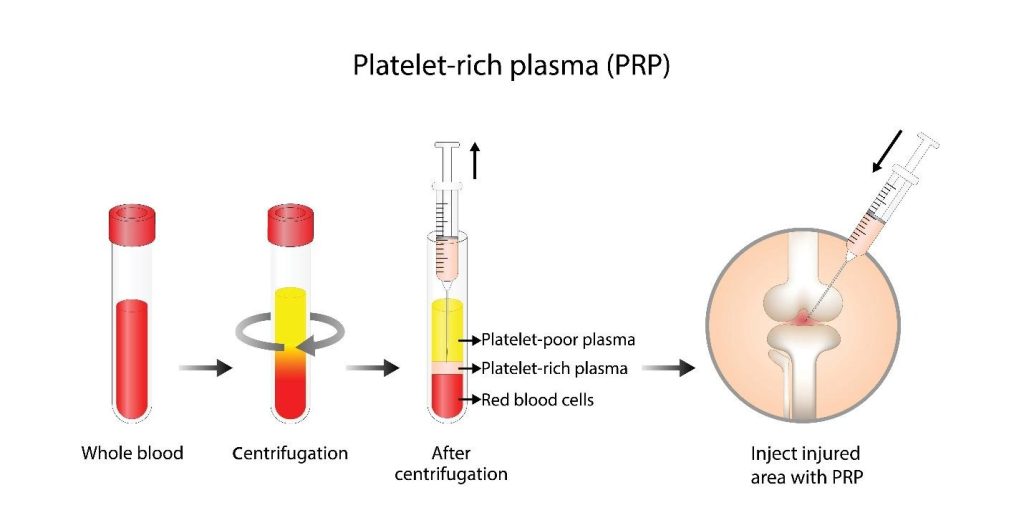
Platelet-rich plasma is a regenerative treatment that uses a concentrated portion of your own blood to support tissue healing. Unlike medications that mainly aim to reduce pain or inflammation, PRP seeks to stimulate the body's own healing processes. Although it is not a cure for every musculoskeletal condition, it may provide meaningful improvement for selected patients by supporting tissue repair and reducing symptoms over time.
When platelets are concentrated and delivered directly to an injured tendon, ligament or joint, they release a variety of biologically active growth factors. These signalling molecules help coordinate the body's natural healing response by encouraging cell repair [1], promoting blood vessel formation and supporting tissue regeneration.
Because PRP relies on your body's own biological processes, improvements are usually gradual rather than immediate. Some patients begin noticing symptom relief within several weeks, while others experience progressive improvement over the following months as healing continues.
It is important to note that PRP does not regenerate severely worn joints or reverse advanced osteoarthritis. Instead, it is generally considered most beneficial when sufficient healthy tissue remains to respond to the treatment.
The treatment may be recommended for selected patients with:
Potential benefits include:
While PRP has shown encouraging results for certain musculoskeletal conditions, it is not suitable for everyone.
Its effectiveness depends on several factors, including:
However, patients with advanced joint degeneration or complete tendon ruptures may require different treatment approaches, including surgery.
PRP supports the body's natural healing response, so improvements are usually gradual rather than immediate. Mild soreness around the injection site is common during the first few days after treatment and typically settles on its own.
Most patients can resume normal daily activities shortly after the procedure, although strenuous exercise or high-impact activities may need to be avoided temporarily depending on the condition being treated.
Many patients begin noticing gradual improvement within several weeks, with continued progress over the following 2 to 3 months. Depending on the severity of the condition and your response to treatment, our orthopaedic specialist may recommend additional PRP injections to optimise the outcome.
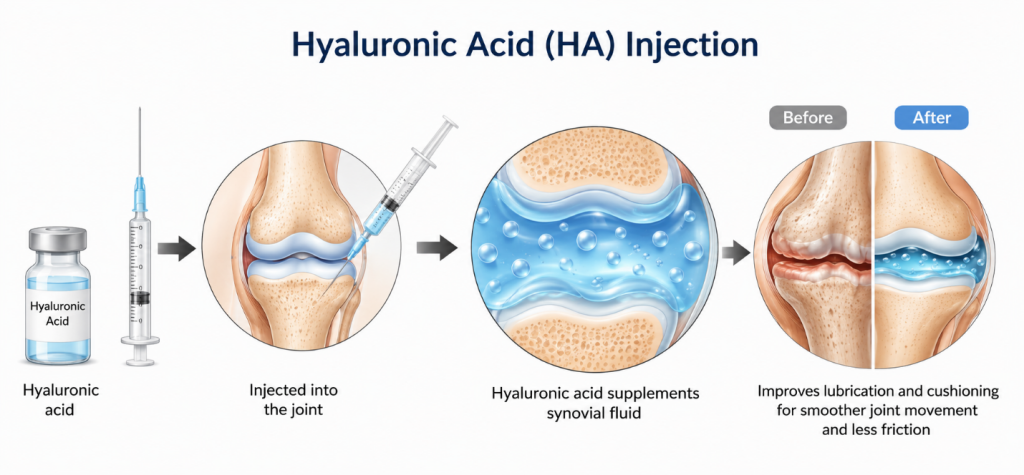
Hyaluronic acid is a naturally occurring substance found in synovial fluid, which lubricates and cushions healthy joints. As osteoarthritis progresses, the quality and quantity of this fluid gradually decline.
Viscosupplementation is a non-surgical treatment that involves injecting medical-grade hyaluronic acid [2] into the affected joint. It is commonly recommended for patients with mild to moderate osteoarthritis who continue to experience symptoms despite conservative treatment. While it does not reverse arthritis or repair damaged cartilage, it may help improve joint function and relieve symptoms in suitable patients.
Once injected into the joint, hyaluronic acid supplements the natural synovial fluid, helping to restore its lubricating and cushioning properties. This improves the mechanical environment within the joint, allowing movement with less friction while supporting smoother joint motion.
The injections are most commonly recommended for:
Although the knee is the most common treatment site, hyaluronic acid injections may also be considered for selected patients with osteoarthritis affecting other joints.
Potential benefits include:
Although many patients experience symptom improvement, hyaluronic acid injections are not appropriate for every stage of arthritis.
They may be less effective when:
In these situations, surgical options such as joint replacement may provide more predictable and durable symptom relief.
Hyaluronic acid injections do not usually provide immediate symptom relief. Most patients can return to their usual daily activities shortly after treatment, although strenuous exercise may be avoided for a short period based on our doctor's advice.
Relief typically develops over several weeks as the injected hyaluronic acid improves the joint's lubricating environment. Depending on the severity of osteoarthritis and individual response, symptom relief may last several months and repeat injections may be considered if symptoms return.
Regular follow-up allows our orthopaedic specialist to monitor your progress and determine whether further treatment is appropriate.
Both PRP and hyaluronic acid injections are minimally invasive treatments, but they work in different ways and are suited to different clinical situations:
| FEATURE | PLATELET-RICH PLASMA (PRP) INJECTIONS | HYALURONIC ACID INJECTIONS |
| PRIMARY PURPOSE | Supports the body's natural healing response | Improves joint lubrication and cushioning |
| SOURCE | Patient's own blood | Medical-grade hyaluronic acid |
| COMMONLY USED FOR | Tendon injuries, selected ligament injuries, mild osteoarthritis | Mild to moderate osteoarthritis |
| BEST SUITED FOR | Patients with healthy tissue capable of healing | Patients with symptomatic joint degeneration |
| TREATMENT GOAL | Encourage biological repair and reduce symptoms | Improve joint movement and relieve pain |
| PROCEDURE | Blood draw followed by injection | Direct joint injection |
| RECOVERY | Minimal downtime | Minimal downtime |
| RESULTS | Gradual improvement over weeks to months | Gradual symptom relief over several weeks |
Hearing that you may need surgery can understandably feel daunting. However, orthopaedic surgery is not recommended simply because pain is present. Rather, it is typically considered when a structural problem within the bones, joints or spine cannot be adequately addressed through non-surgical treatment or when delaying surgery may lead to further damage or loss of function.
Advances in surgical techniques have also transformed orthopaedic care in recent years. Many procedures that once required large incisions and prolo
nged hospital stays can now be performed using minimally invasive techniques, allowing for smaller incisions, less disruption to healthy tissues and, in suitable cases, a faster recovery.
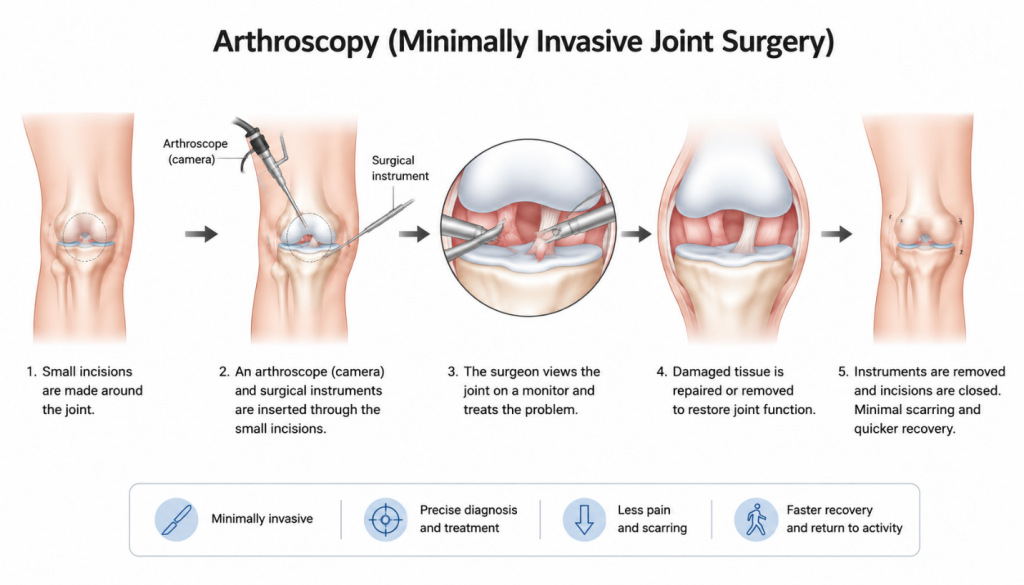
Arthroscopy, often referred to as keyhole surgery, is a minimally invasive procedure used to diagnose and treat a wide range of joint conditions. Instead of making a large incision to access the joint, specialised instruments are introduced through small incisions, allowing treatment to be performed with less disruption to the surrounding muscles and soft tissues.
It is commonly performed to treat injuries and conditions affecting the knee, shoulder, ankle and wrist, particularly when symptoms persist despite conservative treatment or when structural damage requires surgical repair.
Different joints require different arthroscopic techniques depending on the underlying condition.
This includes:
| TYPE OF ARTHROSCOPY | COMMON CONDITIONS TREATED | WHAT MAY BE DONE DURING THE PROCEDURE |
| Knee Arthroscopy | -- Meniscus tears -- Loose cartilage or bone fragments -- Cartilage injuries -- Ligament injuries -- Synovitis (inflammation of the joint lining) -- Persistent knee pain or locking caused by mechanical problems | Depending on the findings, the surgeon may trim or repair a torn meniscus, treat cartilage defects, remove loose fragments or address other structural problems within the knee to improve function and relieve symptoms. |
| Shoulder Arthroscopy | -- Rotator cuff tears -- Shoulder impingement -- Shoulder instability -- Recurrent shoulder dislocations -- Labral tears -- Frozen shoulder requiring surgical release | The procedure may involve repairing torn tendons or the labrum, releasing tight joint tissues, removing inflamed tissue or bone spurs and restoring shoulder stability while minimising disruption to surrounding muscles. |
| Ankle Arthroscopy | -- Cartilage injuries -- Loose bodies -- Chronic ankle impingement -- Synovitis -- Selected ligament-related conditions | Arthroscopy allows damaged cartilage or loose fragments to be removed, inflamed tissue to be treated and selected joint abnormalities to be addressed through small incisions, helping preserve healthy surrounding tissues. |
| Wrist Arthroscopy | -- Ligament injuries -- Triangular fibrocartilage complex (TFCC) tears -- Cartilage damage -- Persistent wrist pain of uncertain origin -- Loose fragments within the joint | The surgeon can inspect the intricate structures of the wrist, repair or debride damaged tissues, remove loose fragments and treat selected causes of persistent wrist pain while minimising surgical trauma. |
Potential benefits include:
Arthroscopy is highly effective for many joint conditions but is not suitable for every patient.
It may not be appropriate for:
The most appropriate surgical approach depends on the underlying condition rather than the size of the incision.
Recovery after arthroscopy varies depending on the joint treated and the complexity of the procedure. Many arthroscopic procedures are performed as day surgery, allowing patients to return home on the same day.
Mild pain and swelling are common during the first few days after surgery and gradually improve with appropriate postoperative care. Physiotherapy often begins early to restore joint movement, strength and stability.
Patients undergoing simpler procedures may return to desk-based work within a few days to two weeks, while recovery following ligament or tendon reconstruction generally takes longer. Return to sports and higher-impact activities depends on the specific procedure performed and your rehabilitation progress.
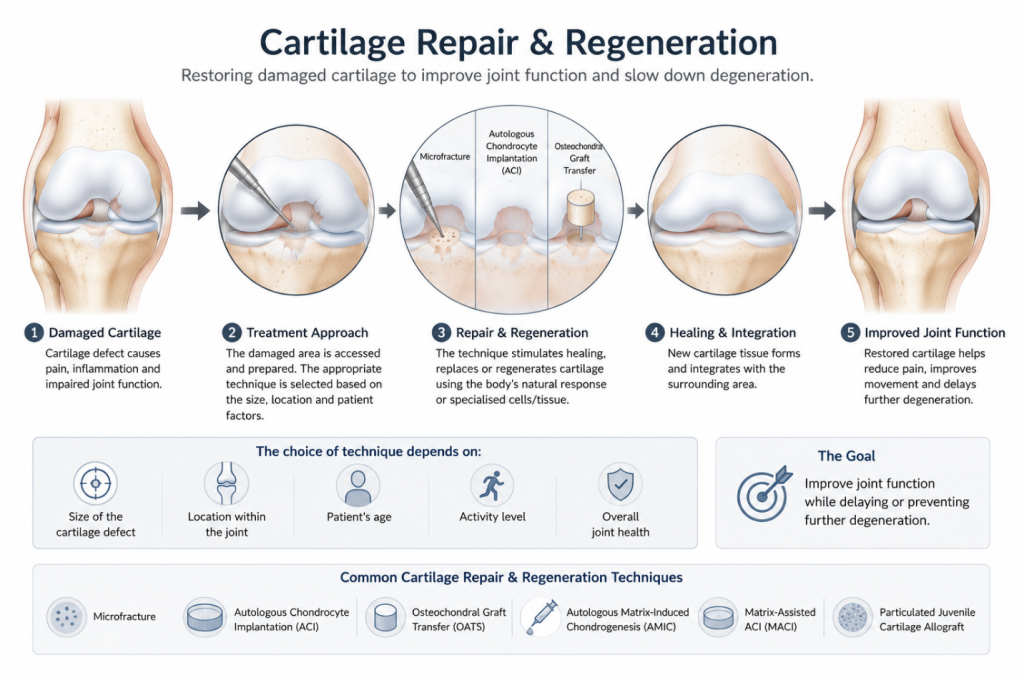
Healthy cartilage provides a smooth, low-friction surface that allows joints to move comfortably. Unlike many other tissues in the body, cartilage has a very limited capacity to heal because it lacks a direct blood supply.
When cartilage becomes damaged through injury, sports participation or early degeneration, patients may experience persistent pain, swelling, locking or reduced joint function. Left untreated, localised cartilage defects may enlarge over time and contribute to the development of osteoarthritis.
Cartilage repair and regeneration procedures aim to preserve the natural joint by restoring damaged cartilage where appropriate, particularly in younger or active patients with localised defects.
The choice of technique depends on several factors, including:
Depending on the individual case, treatment may involve stimulating the body's natural healing response, repairing unstable cartilage or using specialised regenerative techniques to restore the damaged area.
The goal is to improve joint function while delaying or preventing further degeneration.
Cartilage repair may be considered for:
However, not every cartilage injury requires surgery and not every patient is a suitable candidate for cartilage preservation procedures.
Potential benefits include:
Cartilage repair is generally most effective when damage is localised.
It may be less suitable when:
Recovery following cartilage repair is generally longer than many other arthroscopic procedures because the repaired cartilage requires time to mature and integrate with the surrounding tissue.
Weight-bearing may be limited during the initial stages of recovery to protect the repair, followed by a structured physiotherapy programme to gradually restore movement, strength and joint function.
Most patients progressively return to everyday activities over the following months, while return to higher-impact sports usually requires a longer period of rehabilitation. Regular follow-up allows our surgeon to monitor healing and adjust your rehabilitation programme as recovery progresses.
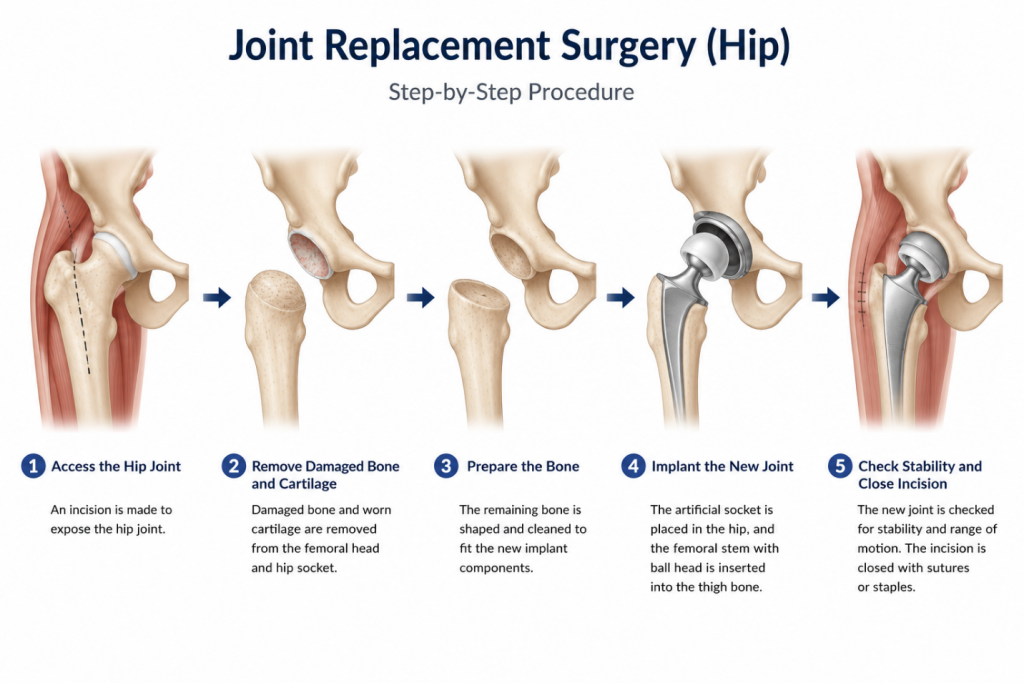
Joint replacement surgery is one of the most successful procedures in modern orthopaedics for relieving pain caused by advanced joint degeneration. It is generally considered when conservative treatments no longer provide adequate symptom relief and pain significantly affects mobility, independence or quality of life.
Some of the replacement surgeries that Dr James Tan performs are:
| TYPE OF JOINT REPLACEMENT | COMMON CONDITIONS TREATED | TREATMENT GOALS |
| Knee Replacement | -- Advanced knee osteoarthritis -- Severe cartilage loss -- Persistent knee pain despite conservative treatment -- Progressive knee deformity --- Significant limitations in walking or daily activities | Knee replacement aims to relieve pain, restore proper joint alignment, improve mobility and help patients return to everyday activities with greater comfort and confidence. |
| Hip Replacement | -- Advanced hip osteoarthritis -- Hip degeneration -- Certain hip fractures -- Persistent hip pain affecting daily activities | Hip replacement is performed to reduce pain, improve hip function and restore mobility, often allowing patients to walk more comfortably and enjoy a better quality of life after recovery. |
| Shoulder Replacement | -- Advanced shoulder arthritis -- Irreparable rotator cuff damage in selected cases -- Severe shoulder pain with stiffness -- Loss of shoulder function | Shoulder replacement aims to relieve pain, improve shoulder movement and restore function, making everyday tasks such as reaching, lifting and dressing more comfortable. |
Although each joint differs anatomically, the general principles are similar.
During surgery:
Rest assured that modern implants are designed to withstand years of everyday use while allowing patients to resume many normal daily activities following rehabilitation.
Potential benefits include:
Although highly successful, joint replacement is major surgery and requires commitment to postoperative rehabilitation.
Patients should also understand that:
Patients are usually encouraged to begin walking with assistance as soon as it is clinically appropriate after surgery, often on the same day or the following day. Depending on the joint replaced and your overall recovery, hospital stays typically range from one to several days.
Physiotherapy begins early to restore joint movement, strength and confidence with everyday activities. Most patients experience steady improvement over the following weeks, although recovery continues for several months, with maximum improvement often achieved within six to twelve months.
Regular follow-up appointments help ensure the new joint is functioning well and that recovery is progressing as expected.
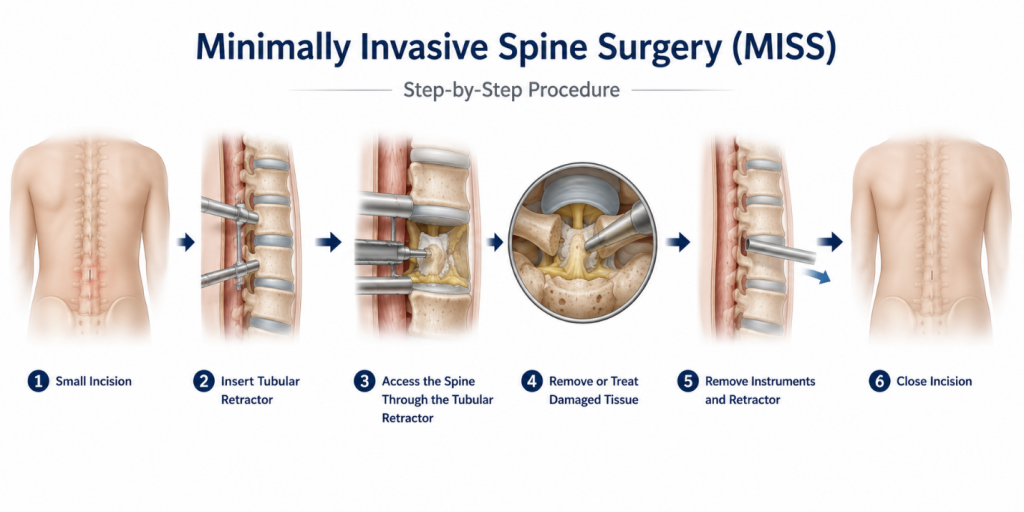
Minimally invasive spine surgery is a surgical approach used to treat selected spinal conditions through smaller incisions and specialised instruments. It is generally considered when symptoms persist despite conservative treatment or when nerve compression or spinal instability requires surgical management.
Compared with traditional open surgery, the aim is to minimise disruption to surrounding muscles and soft tissues while effectively treating the underlying spinal condition.
Although each procedure differs, minimally invasive spine surgery generally involves:
It may be recommended for selected patients with:
As not every spinal condition is suitable for minimally invasive techniques, the most appropriate approach depends on the underlying diagnosis, spinal anatomy and treatment objectives.
Surgery may be recommended when:
Potential advantages include:
Although minimally invasive techniques offer many benefits, they are not appropriate for every spinal condition.
Certain complex deformities, severe instability or extensive spinal disease may still require conventional open surgery to achieve the safest and most effective outcome.
Ultimately, the priority is selecting the procedure that best addresses the patient's condition rather than simply choosing the least invasive approach.
Recovery following minimally invasive spine surgery depends on the condition being treated and the complexity of the procedure. Many patients are encouraged to get out of bed and begin walking soon after surgery, with some procedures allowing discharge on the same day or after a short hospital stay.
As healing progresses, activities are gradually increased under our surgeon's guidance. Physiotherapy may also be recommended to improve flexibility, strengthen the supporting muscles and promote long-term spinal health.
Recovery timelines vary between individuals and regular follow-up appointments help monitor healing and determine when it is safe to resume work, exercise and other activities.
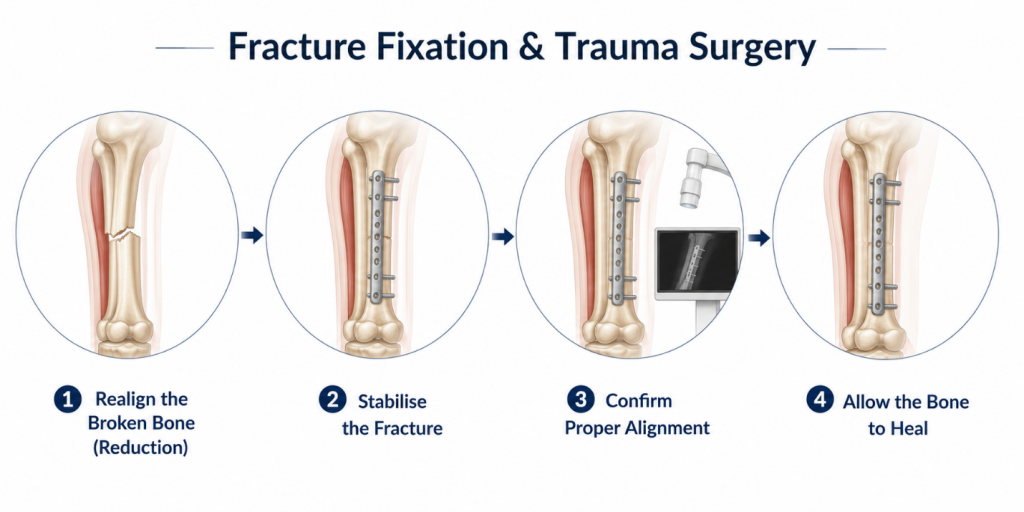
Fracture fixation refers to surgical procedures used to stabilise broken bones when they cannot heal adequately with casts or braces alone. It is commonly performed for displaced, unstable or complex fractures to restore normal alignment and support healing.
The type of fixation used depends on several factors, including:
The objective is to restore the bone's normal anatomy as accurately as possible while creating a stable environment for healing.
Although the surgical approach varies depending on the type and location of the fracture, fracture fixation generally involves the following steps:
During surgery, the fractured bone is first carefully realigned before fixation devices are used to maintain stability throughout the healing process.
Common internal fixation techniques include:
| INTERNAL FIXATION TECHNIQUE | DESCRIPTION |
| Plates and screws | Metal plates are secured to the bone using screws to maintain alignment, particularly in fractures near joints or involving long bones. |
| Intramedullary nails (rods) | A metal rod is inserted into the centre of a long bone, providing strong internal support while allowing stable healing. |
| Cannulated screws | Specialised screws inserted through small incisions for selected fractures, particularly around the hip, ankle or foot. |
| Kirschner wires (K-wires) | Thin wires used to temporarily or permanently stabilise smaller bone fractures, especially in the hand, wrist or foot. |
Surgical fixation may be necessary when:
The surgery may be recommended for:
Potential benefits include:
As with any operation, fracture fixation carries potential risks and requires a period of rehabilitation.
Recovery depends on several factors, including:
Although surgery restores stability, the body's natural healing process still requires time.
Recovery following fracture fixation depends on the location of the fracture, the severity of the injury and the fixation method used.
After surgery, the affected limb may need to be protected with restricted weight-bearing or limited use while the bone heals. Follow-up X-rays are performed at regular intervals to monitor bone healing and ensure the fracture remains well aligned.
Physiotherapy is often introduced as healing progresses to restore movement, rebuild strength and improve function. Although many fractures heal within several weeks to a few months, recovery varies between individuals and returning to higher-impact activities should only be done after clearance from our orthopaedic surgeon.
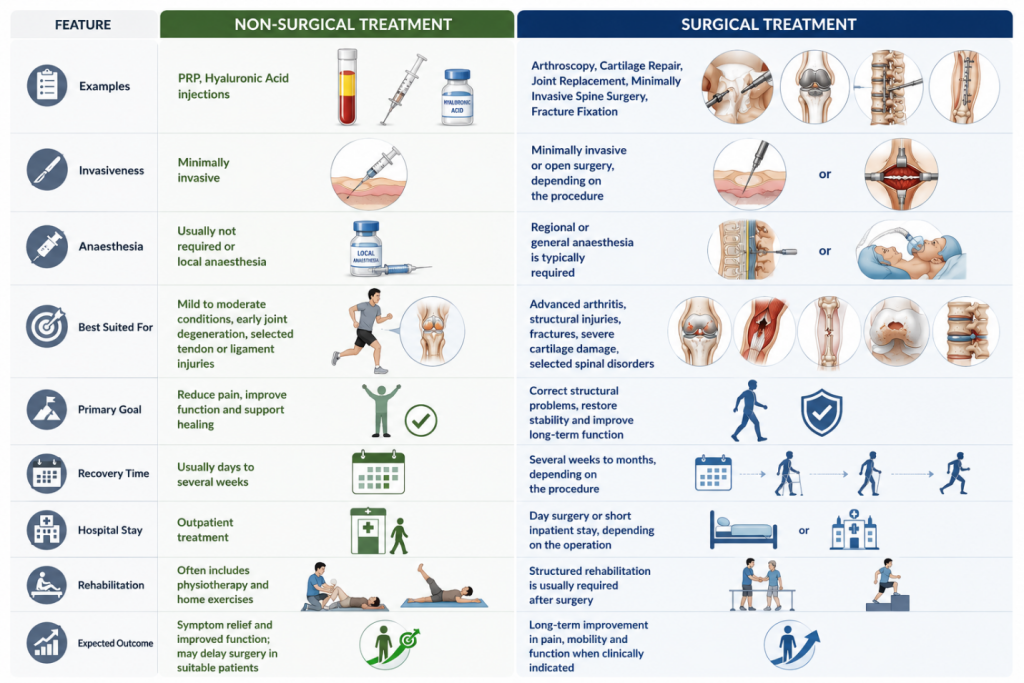
One of the most common questions patients ask is whether surgery is truly necessary. The answer depends on the nature of the condition, its severity and how well it responds to conservative treatment.
For many musculoskeletal conditions, non-surgical therapies can successfully reduce pain and improve function, particularly when intervention begins early. However, when significant structural damage is present or symptoms continue despite appropriate conservative care, surgery may provide the most effective long-term solution.
| FEATURE | NON-SURGICAL TREATMENT | SURGICAL TREATMENT |
| Examples | PRP Injections, Hyaluronic Acid Injections | Arthroscopy, Cartilage Repair, Joint Replacement, Minimally Invasive Spine Surgery, Fracture Fixation |
| Invasiveness | Minimally invasive | Minimally invasive or open surgery, depending on the procedure |
| Anaesthesia | Usually not required or local anaesthesia | Regional or general anaesthesia is typically required |
| Best Suited For | Mild to moderate conditions, early joint degeneration, selected tendon or ligament injuries | Advanced arthritis, structural injuries, fractures, severe cartilage damage, selected spinal disorders |
| Primary Goal | Reduce pain, improve function and support healing | Correct structural problems, restore stability and improve long-term function |
| Recovery Time | Usually days to several weeks | Several weeks to months, depending on the procedure |
| Hospital Stay | Outpatient treatment | Day surgery or short inpatient stay, depending on the operation |
| Rehabilitation | Often includes physiotherapy and home exercises | Structured rehabilitation is usually required after surgery |
| Expected Outcome | Symptom relief and improved function; may delay surgery in suitable patients | Long-term improvement in pain, mobility and function when clinically indicated |
Many patients wonder whether they should continue with non-surgical treatment or consider surgery. While there is no one-size-fits-all answer, treatment decisions are based on several important factors, including the severity of the condition, imaging findings, lifestyle and long-term goals.
The table below provides a general overview of when different treatment approaches may be considered.
| CLINICAL SITUATION | NON-SURGICAL TREATMENT MAY BE SUITABLE | SURGICAL TREATMENT MAY BE CONSIDERED |
| Mild or early symptoms | Usually the first approach | Rarely required |
| Early osteoarthritis | PRP or hyaluronic acid injections may help relieve symptoms | Usually not required initially |
| Persistent symptoms despite conservative care | May continue in selected patients | Often considered |
| Structural injuries | Suitable for selected minor injuries | When repair or reconstruction is needed |
| Advanced joint degeneration | May provide temporary symptom relief | Joint replacement often provides more durable improvement |
| Fractures | Stable fractures may heal without surgery | Displaced or unstable fractures often require fixation |
No two patients experience an orthopaedic condition in exactly the same way. Two people with knee pain, for example, may have entirely different underlying causes, levels of joint damage and expectations for recovery. While one patient may respond well to physiotherapy and injections, another may require surgery to restore mobility and relieve pain.
For this reason, choosing the right treatment is never based on symptoms alone. A comprehensive assessment helps determine the underlying cause of the problem and whether conservative management or surgery is likely to provide the best outcome.
At Dr James Tan's practice, treatment recommendations are individualised [3] rather than routine. The aim is to identify the most appropriate option that not only addresses the current condition but also supports long-term function and quality of life.
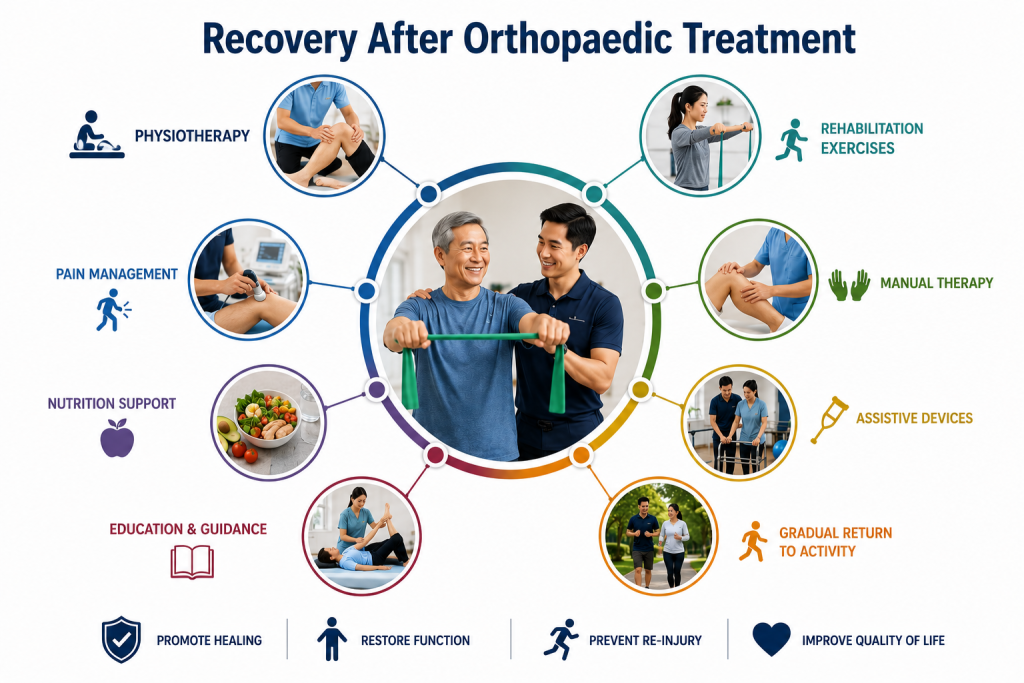
Whether treatment is surgical or non-surgical, recovery is an essential part of achieving the best possible outcome. While many patients focus on the procedure itself, long-term success often depends on the rehabilitation that follows.
Recovery timelines vary depending on the condition being treated, the procedure performed, your overall health and how closely rehabilitation recommendations are followed. Some patients resume normal activities within days, while others require several months of structured recovery.
Throughout this process, the goal remains the same: to reduce pain, restore function and help you return safely to your everyday activities.
Rehabilitation helps the treated joint or injured area regain movement, strength and stability.
Depending on your condition, rehabilitation may focus on:
Following the recommended rehabilitation programme is often just as important as the treatment itself.
Physiotherapy is frequently incorporated into both surgical and non-surgical treatment plans.
A physiotherapist may guide patients through exercises designed to:
Exercise programmes are typically adjusted as recovery progresses to ensure a safe and gradual return to activity.
Some discomfort during recovery is expected, particularly after surgery. However, effective pain management helps patients move more comfortably and participate in rehabilitation earlier.
Depending on the procedure, pain management strategies may include:
Pain is monitored throughout recovery, with treatment adjusted according to each patient's progress.
The timing of your return to work depends on:
Patients with desk-based roles may return sooner than those performing heavy manual work or repetitive lifting. Before resuming work, it is important that healing has progressed sufficiently to minimise the risk of reinjury.
Many patients wish to resume recreational activities or competitive sports after treatment.
The timeline varies considerably depending on:
Returning too early may compromise healing or increase the risk of further injury. A graduated return to sport, guided by our orthopaedic surgeon and physiotherapist, helps ensure that the joint is ready for the demands of activity.
Every patient's recovery is unique. Several factors can affect how quickly and successfully healing occurs, including:
While recovery timelines differ, following medical advice and participating actively in rehabilitation can significantly improve long-term outcomes.
Recovery varies according to the condition being treated, the procedure performed and each individual's overall health. The table below provides a general guide.
| TREATMENT | HOSPITAL STAY | RETURN TO DAILY ACTIVITIES | FULL RECOVERY |
| Platelet-rich Plasma (PRP) | Not required | Usually within 1 to 2 days | Several weeks to a few months |
| Hyaluronic Acid Injection | Not required | Usually the same or next day | Benefits develop over several weeks and may last several months |
| Arthroscopy | Usually day surgery | Several days to a few weeks | Weeks to several months depending on the procedure |
| Cartilage Repair & Regeneration | Usually day surgery or overnight | Gradual rehabilitation | Several months, with return to sport often taking longer |
| Joint Replacement Surgery | Usually 1 to 3 days | Several weeks | Six months to one year |
| Minimally Invasive Spine Surgery | Same day or short hospital stay | Several weeks | Several months |
| Fracture Fixation | Usually depends on the injury | Variable | Several weeks to several months |
Recovery timelines vary considerably depending on the procedure performed, the severity of the condition and individual healing rates. Our orthopaedic surgeon will provide personalised guidance based on your recovery progress.
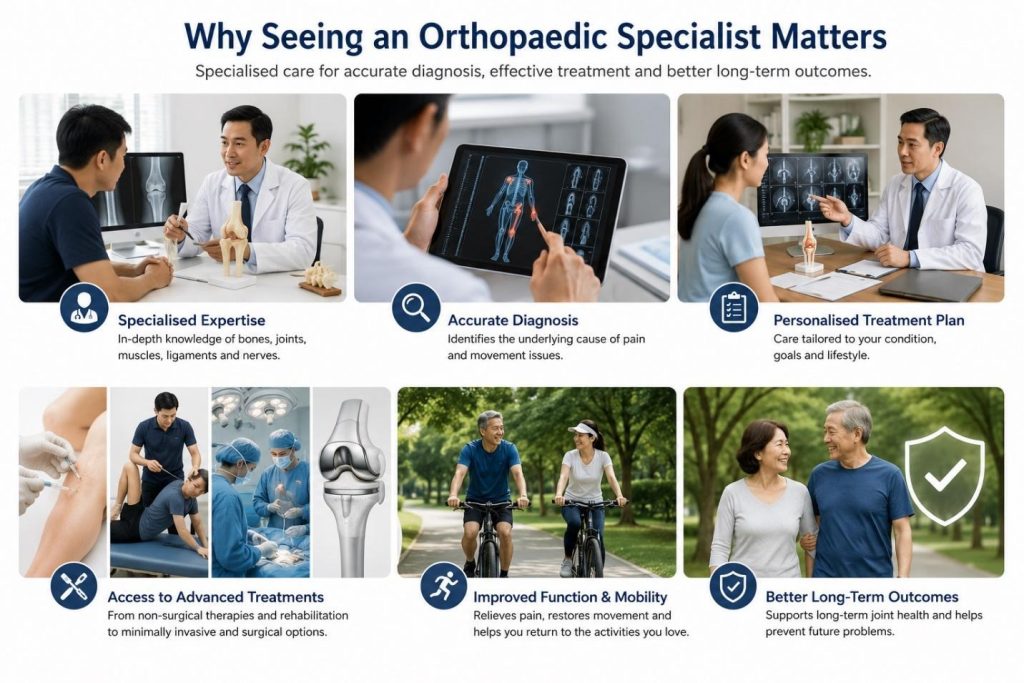
Many patients first seek help from a general practitioner (GP) when they experience joint pain, back pain or a sports injury. This is often an appropriate first step, particularly for new or mild symptoms.
However, when symptoms persist, become more severe or begin affecting your mobility and quality of life, an orthopaedic specialist can provide more detailed evaluation and access to specialised treatment options.
Rather than focusing solely on symptom relief, an orthopaedic specialist aims to identify the underlying cause of the problem and develop a personalised treatment plan that supports both short-term recovery and long-term musculoskeletal health.
Persistent joint pain, recurring sports injuries or reduced mobility should not be accepted as a normal part of ageing or an active lifestyle. Seeking an assessment early allows the underlying cause to be identified before the condition progresses further.
Whether your symptoms can be managed with non-surgical treatment or require surgical intervention, receiving an accurate diagnosis is the first step towards effective treatment.
Dr James Tan provides comprehensive orthopaedic care tailored to each patient's condition, lifestyle and goals. From conservative treatments such as PRP and hyaluronic acid injections to advanced arthroscopy, joint replacement and minimally invasive spine surgery, every treatment plan is individualised to help relieve pain, restore movement and improve quality of life.
If you are experiencing persistent joint pain, stiffness, reduced mobility or a musculoskeletal injury, schedule a consultation with Dr James Tan to discuss your treatment options and receive a personalised management plan.
Orthopaedic treatment involves the diagnosis and management of conditions affecting the bones, joints, muscles, tendons, ligaments, cartilage and spine. Depending on the condition and its severity, treatment may include lifestyle modifications, physiotherapy, injection therapies or surgery.
No, many conditions can be successfully managed with non-surgical treatments, particularly when diagnosed early. Surgery is generally considered only when conservative treatment has not provided sufficient relief or when structural damage requires surgical correction.
You should consider seeing an orthopaedic specialist if you have persistent joint pain, recurrent sports injuries, reduced mobility, joint swelling, instability, numbness or weakness, or symptoms that continue despite rest or initial treatment by a general practitioner.
Arthroscopy is a minimally invasive surgical procedure performed through small incisions. While it is still surgery, it generally causes less disruption to surrounding tissues than traditional open procedures and may be associated with a faster recovery in suitable patients.
Recovery depends on the type of surgery performed, the condition being treated, your overall health and your commitment to rehabilitation. While some minimally invasive procedures allow patients to return to normal activities within a few weeks, more complex operations, such as joint replacement or cartilage repair, may require several months for full recovery.
In selected patients, PRP or hyaluronic acid injections may reduce pain, improve joint function and delay the need for surgery. However, they do not reverse advanced joint damage or arthritis, and surgery may still be the most appropriate option when structural damage is severe.
Cartilage repair aims to preserve the natural joint by treating localised cartilage damage, whereas joint replacement replaces damaged joint surfaces with artificial implants when arthritis or joint degeneration has become advanced.
Treatment recommendations are based on a comprehensive assessment that considers your diagnosis, imaging findings, symptom severity, age, activity level, lifestyle, treatment goals and previous therapies.
Many patients benefit from physiotherapy as part of their recovery. Rehabilitation helps restore strength, flexibility, joint movement and function while reducing the risk of future injury.
Your consultation typically includes a discussion of your symptoms and medical history, a physical examination and, where appropriate, imaging studies. Based on these findings, Dr James Tan will explain your diagnosis, discuss suitable treatment options and recommend a personalised management plan.
The cost of orthopaedic treatment varies considerably because every patient's condition and treatment plan are different. Factors that may influence the overall cost include:
Following a thorough assessment, Dr James Tan will recommend the most appropriate treatment and provide a personalised cost estimate based on your individual needs.
Depending on your diagnosis and treatment, orthopaedic care may be claimable under MediSave, Integrated Shield Plans or private medical insurance. Coverage varies based on your insurance policy, the procedure performed and whether it meets your insurer's claim requirements.
If surgery is recommended, Dr James Tan's team can advise you on the applicable financing options and assist with the necessary documentation to help you understand your expected out-of-pocket expenses before treatment.

Get in touch with Orthopaedic Specialist Dr James Tan today to discuss your concerns and explore the best treatment options for your bones, joints, muscles and spine.


Monday - Friday: 8:30am - 5:30pm
Saturday: 8:30am - 12:30pm
Sunday & Public Holiday: Closed


