


A meniscus tear is one of the most common knee injuries, affecting both active individuals and older adults, though for different reasons. The meniscus is the C-shaped cartilage that cushions and stabilises the knee, and when it tears, whether from a sudden twist during sport or gradual age-related wear, it can cause pain, swelling, locking and a persistent feeling of instability that makes everyday movement difficult.
Because the meniscus has limited blood supply, many tears do not heal on their own, making accurate diagnosis essential. At Ray of Health, Dr James Tan provides thorough assessment and personalised treatment plans, from conservative management and physiotherapy to surgical repair where needed, with the goal of restoring knee function and protecting long-term joint health.
|
Purpose |
Repairing or managing damage to the meniscal cartilage to relieve pain, restore knee stability and prevent long-term complications such as early arthritis. |
|
Recommended for |
Individuals experiencing knee pain, swelling, locking or instability following a suspected meniscus injury, whether from sports, trauma or degenerative wear. |
|
Treatment approach |
Ranges from rest, activity modification, medication and physiotherapy to arthroscopic surgery for tears that do not respond to conservative care. |
|
Hospital stay |
Minor surgical procedures are typically performed as day surgery. More complex repairs may require a short admission. |
|
Recovery |
Minor tears managed conservatively may improve within a few weeks. Surgical repair typically involves 4 to 6 weeks of initial recovery, followed by structured physiotherapy over several months. |
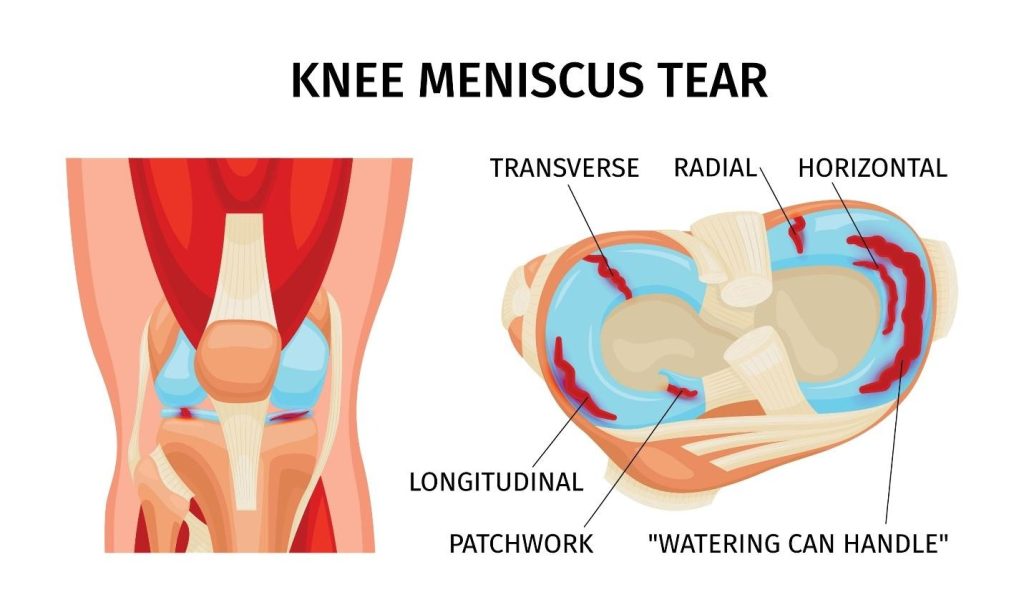
The meniscus is a C-shaped piece of cartilage in the knee that acts as a shock absorber between the thigh bone (femur) and shin bone (tibia). Each knee has two menisci. One on the inner side and one on the outer side. They play a vital role in cushioning the joint, distributing weight evenly, and maintaining stability during movement.
A meniscus tear occurs when this cartilage is damaged, usually from twisting or sudden impact. Depending on the severity, the tear may cause pain, swelling, stiffness or even a sensation that the knee feels “loose.”
Meniscus injuries are classified based on the pattern and location of the tear. This includes:
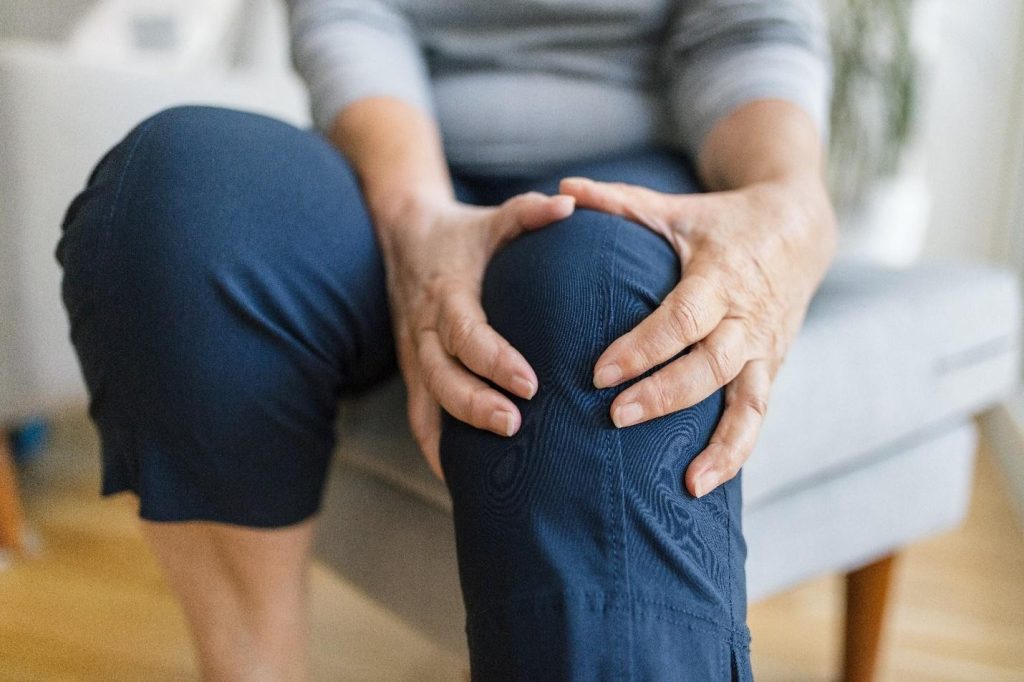
Meniscus injuries may affect both young athletes and older adults, although the underlying triggers are often different. While sports and trauma are common causes in the young, age-related wear and degeneration play a greater role in older individuals.
This can include:
The symptoms can vary depending on the size and location of the tear. Some patients may be able to walk, while others find their knees unstable or locked.
These include:
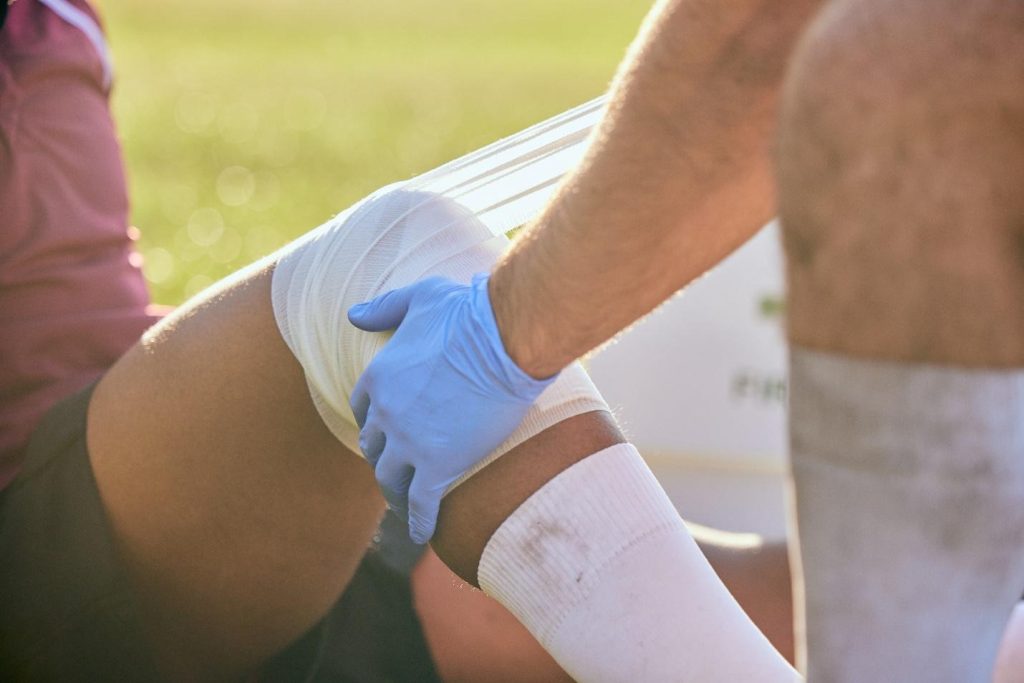
A meniscus tear can happen to anyone, but certain groups of people are more vulnerable due to lifestyle, age, or previous injuries. Some of the groups that are more vulnerable to injury are:
An untreated meniscus tear carries complications and increases the risk of further joint damage. If the delay is prolonged, it may lead to:
Identifying a meniscus tear requires more than just a description of knee pain. Dr James Tan will carry out a detailed evaluation that combines discussion, examination, and imaging to confirm the diagnosis and rule out other conditions.
A meniscus tear does not usually heal on its own because the meniscus has limited blood supply. The outer third, or “red zone”, has better blood flow, so small tears there may heal over time with some rest and activity modification. However, the tears in the inner two-thirds, or “white zone”, typically don’t heal by themselves.
Whether it heals largely depends on the following factors:
This makes diagnosis important, because not all meniscus tears are the same. A proper examination with your doctor ensures you get the right care plan tailored to your specific condition, preventing further damage and supporting a safe return to normal activities.
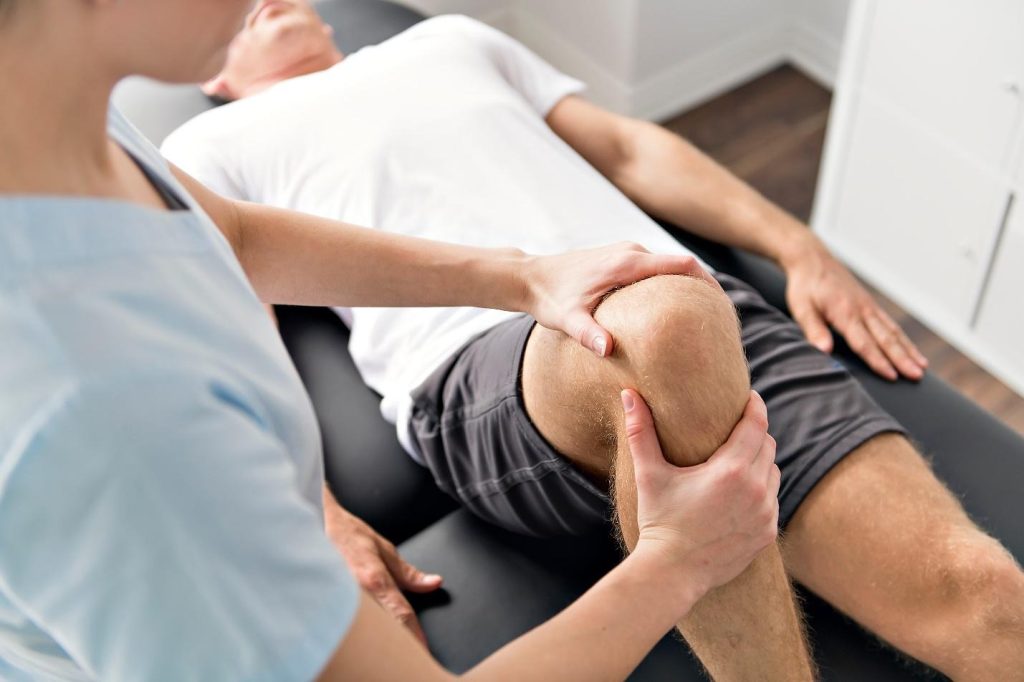
Managing a meniscus tear requires a thoughtful approach that considers the type of tear, its severity, and your lifestyle needs. In Singapore, treatment options range from simple measures that ease discomfort and swelling to modern surgical techniques designed to restore stability and protect the knee joint for the long term.
This may include:
A meniscus tear can do more than cause pain in the knee. It can limit mobility, disrupt everyday routines, and make simple tasks such as walking or climbing stairs increasingly difficult. If treatment is delayed, the injury may also raise the risk of long-term problems such as arthritis and persistent joint instability.
With the right treatment, however, many patients can return to their normal activities and protect the future health of their knees. If you have been experiencing ongoing knee discomfort or suspect that you may have sustained a meniscus tear, we encourage you to schedule a consultation with Dr James Tan. A thorough diagnosis and a carefully planned treatment strategy can help restore strength, flexibility, and lasting comfort.
Yes. Pain is one of the most common symptoms, especially during twisting, squatting or climbing stairs.
Not all injuries are avoidable, but maintaining strong leg muscles, practising proper sports techniques and avoiding sudden twisting movements can reduce the risk.
Some people can walk with a minor tear, but activities may worsen the damage. A large tear may cause instability or locking of the knee.
Small tears on the outer edge (where the blood supply is better) may heal naturally. Meanwhile, larger or inner tears often require medical intervention.
Recovery depends on the type of surgery performed. Minor procedures may take 4 to 6 weeks, while full repair can take several months with physiotherapy.
No. Surgery is not always required for a meniscus tear. Many cases, particularly small tears on the outer edge of the meniscus where blood supply is better, can heal with conservative treatment including rest, activity modification, physiotherapy and pain management.
Surgery is generally considered when symptoms persist despite conservative care, when the tear is large or in a location with poor blood supply, or when there is significant mechanical symptoms such as locking or instability that affects daily function.
If it is untreated, a torn meniscus can increase the risk of early arthritis because the knee loses its ability to distribute weight evenly.
Yes. Sports that involve pivoting, twisting or sudden stops place high stress on the knee, making meniscus tears one of the most frequent athletic injuries.
Low-impact activities such as swimming or cycling may be safe with guidance from a doctor or physiotherapist, but high-impact sports should be avoided until recovery.
The information provided on this page is for educational purposes only and is not intended as a substitute for professional medical advice or treatment. Always consult your healthcare provider or specialist doctor regarding any medical condition that you might be facing and act on the doctor’s recommendations.
References:
If you are experiencing joint pain, sports injuries or musculoskeletal concerns, our Sports Orthopaedic Surgeon can provide a personalised consultation and assessment to better understand your condition and discuss suitable treatment options.


Dr James Tan, our meniscus tear specialist at Ray of Health, deals with various orthopaedic conditions of the body. He advises his patients to consult him in case of any pain or injury at the earliest so that the condition can be assessed and diagnosed properly.


If you are a Singaporean or a Permanent Resident of Singapore, some of our orthopaedic procedures can be claimed under MediSave. The claimable amount will vary based on the procedure's complexity.
For other situations, please consult our friendly clinic staff regarding the use of your Integrated Shield Plan insurance.


Get in touch with Orthopaedic Specialist Dr James Tan today to discuss your concerns and explore the best treatment options for your bones, joints, muscles and spine.


Monday - Friday: 8:30am - 5:30pm
Saturday: 8:30am - 12:30pm
Sunday & Public Holiday: Closed


