Contact Us

Fracture Fixation / Trauma Surgery

Understanding Fracture Fixation / Trauma Surgery
n: Causes and Treatment Options in Singapore
Medically Reviewed by Dr James Tan
@drjames.rayofhealth
Dr James Tan | Ray of Health
@drjames.rayofhealth
Dr James Tan | Ray of Health
Contents
fracture fixation and trauma surgery in Singapore.
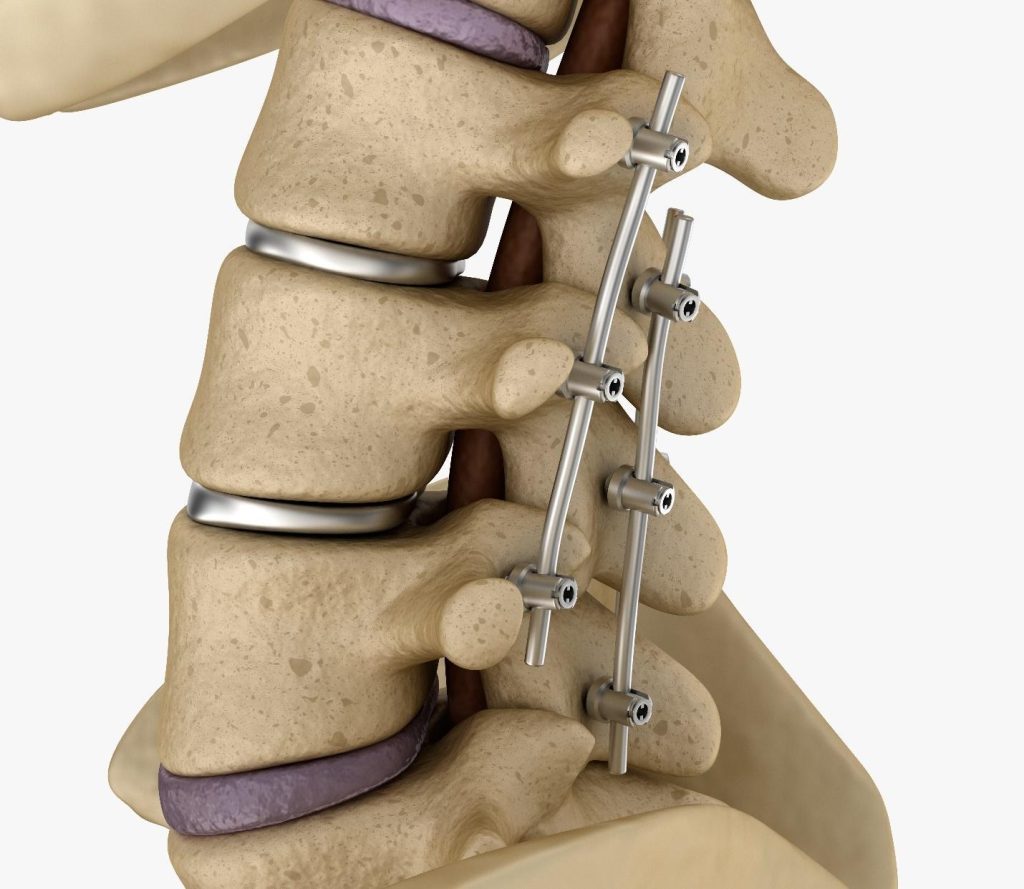
Fracture fixation stabilises broken bones using surgical implants to support proper alignment and healing.

Fracture fixation and trauma surgery are specialised procedures aimed at stabilising broken bones and restoring normal alignment. Unlike conservative management, such as casts or braces, surgical fixation allows precise realignment of bone fragments, protects surrounding tissues and supports earlier movement. This approach is essential for complex fractures, fractures involving joints or injuries at high risk of delayed healing.

By using modern surgical techniques, including internal or external fixation and minimally invasive approaches where appropriate, trauma surgery ensures optimal recovery while reducing the risk of deformity, chronic pain or long-term functional loss.

What are the types of fracture fixation surgery?

The method of fixation depends on the fracture’s location, complexity and patient factors:
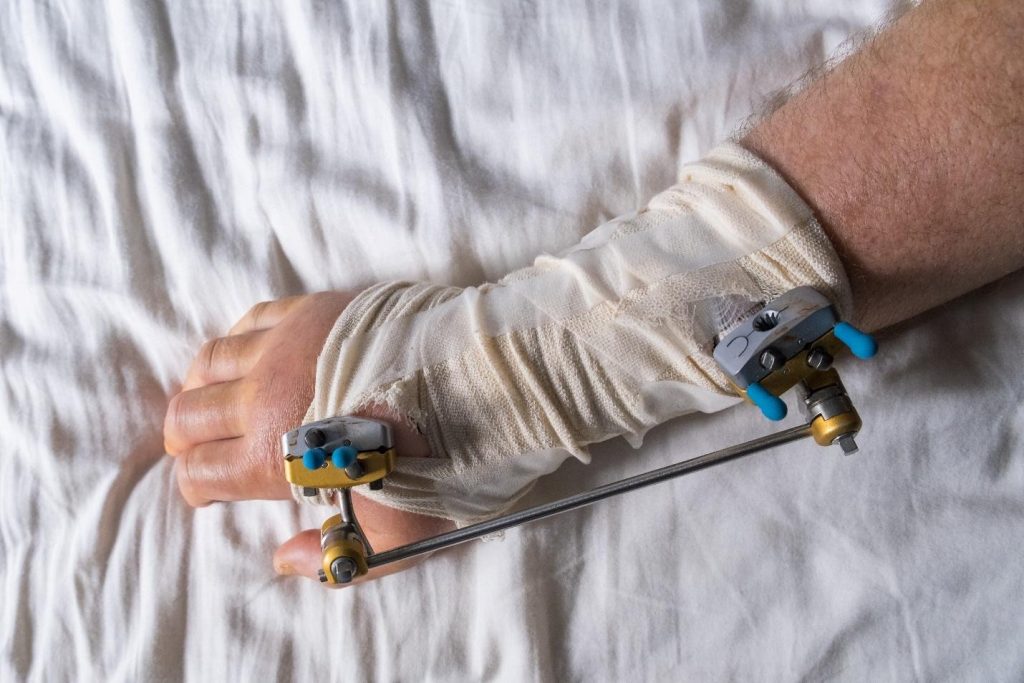
  • Internal fixation – metal plates, screws, rods or nails are inserted beneath the skin to stabilise bones. Commonly used for limb fractures or intra-articular breaks.
  • External fixation – pins or wires pass through the bone and connect to an external frame, often used in open fractures, severe trauma or when soft tissues need protection.
  • Minimally invasive fixation – small incisions and image-guided techniques reduce soft tissue disruption and support faster recovery, particularly for long bones.

How does fracture fixation/trauma surgery work?

invasive and minimally invasive fracture fixation procedures in Singapore.
The surgery ranges from minimally invasive pin or screw insertion to more comprehensive open fixation depending on the fracture type.

The procedure restores the structure and stability of broken bones by physically realigning fragments and securing them in place. It generally entails:

  • Realignment of bone fragments – the fractured pieces are repositioned to their correct anatomical orientation. Proper alignment is crucial for restoring joint function, maintaining limb length and ensuring smooth movement.
  • Mechanical stabilisation – implants such as plates, screws, rods, pins or external fixators hold the bones firmly in place. This stabilisation reduces micro-movement at the fracture site, which accelerates bone healing and prevents deformity.
  • Load distribution – hardware supports the bone and distributes mechanical forces across the fracture, enabling early controlled movement in some cases and preventing additional stress on weakened areas.
  • Soft tissue preservation – minimally invasive or careful surgical approaches minimise trauma to surrounding tissues, which reduces swelling, pain and recovery time while maintaining blood supply to the bone.
  • Promotion of natural healing – by maintaining stability and proper alignment, the body can generate new bone tissue along the fracture line. The implants act as an internal scaffold that guides bone growth and restores strength over time.
  • Functional restoration – once healing progresses, patients regain joint mobility, limb function and weight-bearing capacity safely. The procedure’s goal is not only to fix the bone but also to preserve overall limb function and prevent long-term complications.

What are the common situations that require fracture fixation/trauma surgery?

Surgical intervention is considered when fractures cannot heal properly on their own or when there is a risk of long-term complications. Typical scenarios include:

  • Displaced fractures – when bone fragments are misaligned, making natural healing unlikely.
  • Unstable fractures – fractures that cannot maintain proper alignment with a cast or brace.
  • Joint fractures – breaks that extend into the knee, hip, ankle or wrist joint, which require precise reconstruction to prevent post-traumatic arthritis.
  • Open fractures – when bone pierces the skin, increasing the risk of infection and requiring surgical cleaning and stabilisation.
  • Multiple or complex fractures – often from high-impact trauma, such as traffic accidents or falls from height.
  • Non-union or delayed healing – when a previously treated fracture has not properly healed.

What are the benefits of fracture fixation/trauma surgery?

fracture fixation surgery reduces long-term bone and joint complications.
Surgical stabilisation of fractures reduces the risk of malunion, non-union and joint dysfunction, supporting better long-term mobility.

Fracture fixation or trauma surgery offers several advantages over non-surgical management in appropriate cases:

  • Precise bone alignment – correct positioning of fragments to restore anatomy.
  • Early mobilisation – stabilised bones allow movement sooner, reducing stiffness and muscle wasting.
  • Reduced risk of long-term complications – including deformity, joint arthritis and chronic pain.
  • Enhanced functional recovery – supports return to work, sport and daily activities.
  • Protection of surrounding soft tissues – careful surgical technique minimises damage to muscles, nerves and blood vessels.

How are fractures and trauma injuries assessed before surgery?

Accurate assessment is crucial to determine the safest and most effective treatment. The evaluation process includes:
  • Clinical examinationDr James Tan will inspect for swelling, bruising, deformity and wounds. He will check joint mobility, circulation, sensation and nerve function to identify associated injuries.
  • Fracture history review – understanding the mechanism of injury, prior fractures and activity level helps anticipate complications and plan treatment.
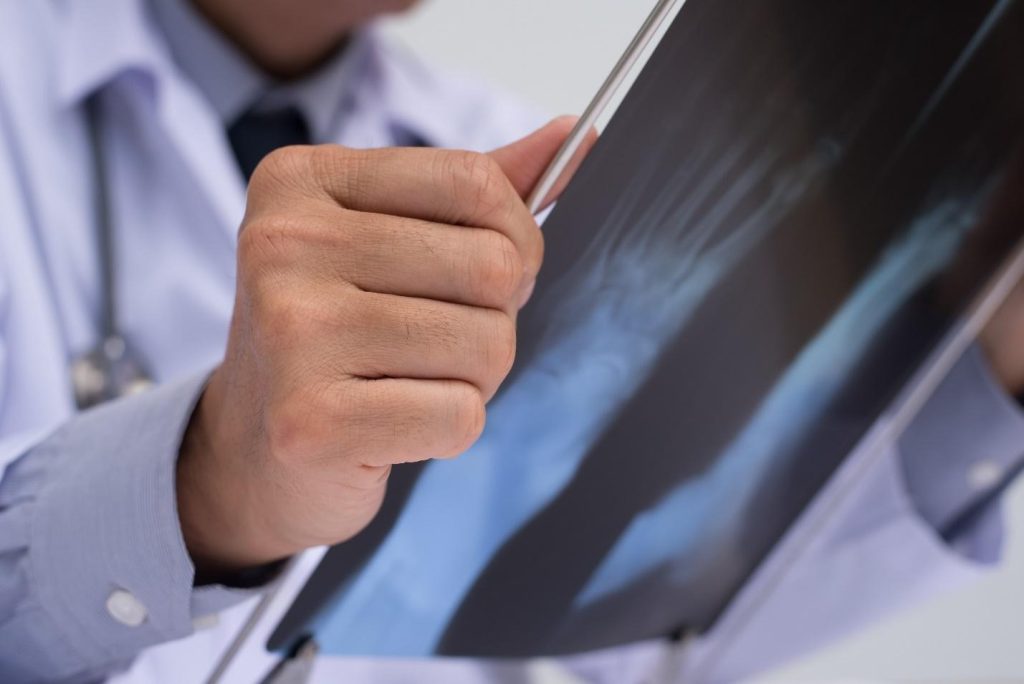
  • Imaging investigations – imaging confirms the type, alignment and severity of fractures:
    • X-rays – first-line for identifying fractures, displacement and bone alignment.
    • Computed Tomography (CT) scans – provide detailed cross-sectional views, ideal for complex or joint-involving fractures.
    • Magnetic Resonance Imaging (MRI) scans – evaluate soft tissues, cartilage, ligaments or occult fractures.
  • Laboratory tests – in some cases, blood work is done to rule out infection, metabolic issues or other factors affecting bone healing.

What to expect during fracture fixation/trauma surgery

pre-surgical assessment for fracture fixation in Singapore.
A thorough pre-operative evaluation ensures the right fixation method is chosen, optimising recovery and functional outcomes.

The treatment is carefully planned to restore bone alignment, stabilise the fracture and support early recovery while minimising complications.

Patients can expect:

Before the procedure

Before surgery, a comprehensive assessment ensures the treatment plan is tailored to your fracture type, overall health and lifestyle needs. Our doctor will review imaging studies, discuss the chosen fixation method and explain what to expect during recovery. Anaesthesia options, general or regional, will be discussed to keep you comfortable and pre-operative instructions will be provided to reduce complications.

During the procedure

Fracture fixation surgery focuses on preserving anatomical positioning. Bone fragments are carefully repositioned to their correct anatomical orientation, then secured using metal implants such as plates, screws, rods or pins. For certain fractures, external fixation may be applied. The surrounding muscles, ligaments, nerves and blood vessels are carefully preserved throughout to minimise trauma and support faster healing.

After the procedure

Once the fracture is stabilised, the surgical site is closed and sterile dressings or external supports are applied. In the immediate recovery period, your medical team monitors vital signs, limb function and pain levels. Clear guidance on weight-bearing restrictions, mobility and pain management is provided, ensuring a safe transition from the operating theatre to post-operative care.
Recovery and post-surgery aftercare

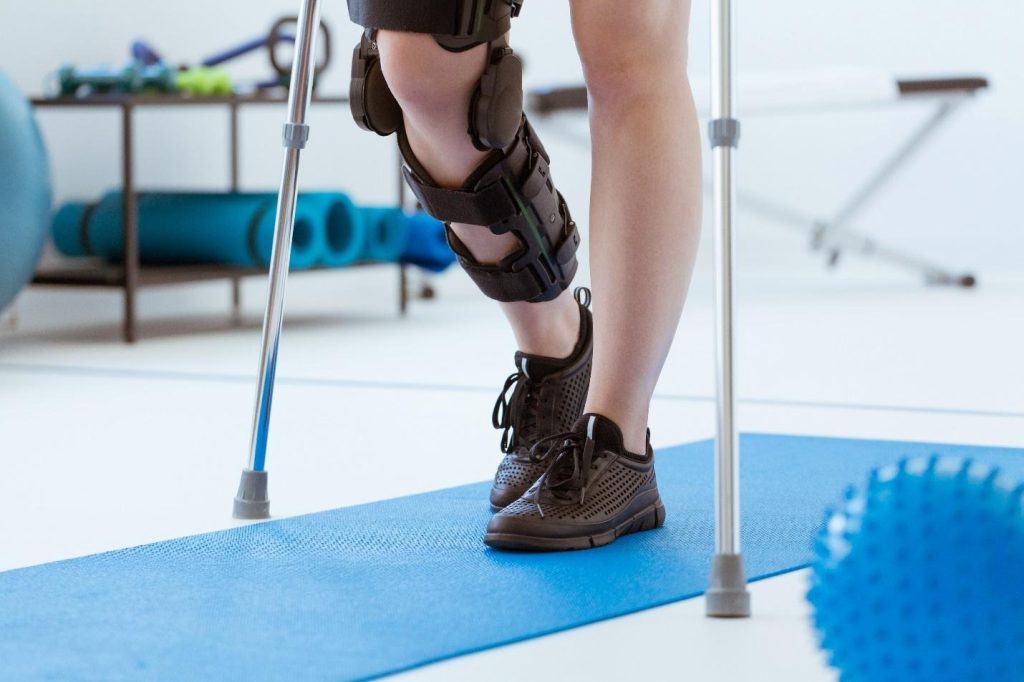
physiotherapy after fracture fixation to improve recovery and mobility.
Post-surgery physiotherapy restores strength, flexibility and coordination, promoting safe and effective recovery.

Proper aftercare is essential to ensure optimal healing and prevent complications. Dr James may advise patients to:

  • Activity modification – avoid heavy lifting, high-impact movements or full weight-bearing until cleared by your surgeon.
  • Pain and swelling management – ice packs, elevation and prescribed medications can reduce discomfort.
  • Wound care – keep the surgical site clean and dry; watch for signs of infection such as redness, swelling or discharge.
  • Physiotherapy – gradual rehabilitation strengthens muscles, improves mobility and restores function.
  • Follow-up visits – regular imaging and clinical assessments monitor bone healing and allow timely adjustments to rehabilitation or restrictions.

Book an appointment

If you have sustained a fracture, experienced persistent pain after an injury or want to discuss surgical options, Dr James Tan and his team provide thorough evaluations and personalised treatment plans.

Our approach combines experienced surgical care with tailored rehabilitation, helping you regain mobility safely and confidently. Book an appointment today to safeguard your bone health and start your journey to a full recovery.

Frequently Asked Questions

Fracture fixation involves surgical stabilisation of broken bones using plates, screws, rods or external frames, while conservative treatment uses casts, splints or braces. Surgery is considered when bone alignment, stability or function cannot be achieved non-surgically.

Recovery depends on the fracture type, fixation method, age and overall health. Many patients begin gentle movement within days, with gradual return to full activity over weeks to months under physiotherapy guidance.

Mild to moderate pain and swelling are normal after surgery. Pain is managed with medication, ice and rest and typically improves steadily as healing progresses.

When performed appropriately, fracture fixation surgery aims to restore bone alignment, promote reliable healing and allow a safe return to movement and daily activities. Recovery timelines vary depending on fracture severity, fixation method and rehabilitation adherence.

Like any surgery, fracture fixation carries some risks, including infection, delayed healing, implant irritation or nerve irritation. Careful planning, surgical technique and post-operative follow-up minimise these risks.

Return to activity depends on the fracture location, severity and your rehabilitation progress. Low-impact daily activities are often allowed early, while high-impact sports may be delayed until the bone has fully healed.

The surgery stabilises the current fracture and restores proper bone alignment, but overall bone health also depends on nutrition, exercise and lifestyle factors. Early assessment and treatment help reduce the risk of future injuries.

Emergency trauma surgery is performed immediately or shortly after a severe injury, such as open fractures, multiple bone breaks or accidents, to stabilise bones and prevent complications.

Elective fracture fixation is planned for non-urgent cases, such as delayed healing, non-union fractures, or malaligned bones, allowing thorough assessment and preparation before surgery.

Disclaimer

The information provided on this page is for educational purposes only and is not intended as a substitute for professional medical advice or treatment. Always consult your healthcare provider or specialist doctor regarding any medical condition that you might be facing and act on the doctor’s recommendations.

Dr James Tan Chung Hui

Treatment With Our Sports Orthopaedic Surgeon

Dr James Tan, our Orthopaedic Specialist at Ray of Health, deals with various orthopaedic conditions of the body. He advises his patients to consult him in case of any pain or injury at the earliest so that the condition can be assessed and diagnosed properly.

About Dr James
Adjunct Assistant Professor (NUS, LKC) and Senior Consultant
Orthopaedic Surgery, Sports & Exercise Medicine
Language Spoken
English, Mandarin, Hokkien, Teochew, Malay
Step01
Registration
Register with Dr James' team and book an appointment here.
Book an
Appointment
Step02
First appointment
At the first appointment, Dr James Tan will carry out a thorough physical exam for your pain, and evaluate your medical history.
Step03
Diagnosis
Typically, additional diagnostic tests are required to assess the causes of the problems accurately. This usually comes in the form of MRI or X-ray scans.
Step04
Personalised Treatment Plan
Dr James will then create a personalised treatment plan based on your specific condition and needs, which could include undergoing surgery, and recommend the necessary treatment modalities to you.
Step05
Follow-up sessions
Dr James will schedule additional follow-up sessions to monitor the recovery process until you fully recover.
Disclaimer: Treatment plans may differ for different patients. Please contact Dr James for more information.

Accreditations

MediSave & Insurance Shield Plan Approved

If you are a Singaporean or a Permanent Resident of Singapore, some of our orthopaedic procedures can be claimed under MediSave. The claimable amount will vary based on the procedure's complexity.

For other situations, please consult our friendly clinic staff regarding the use of your Integrated Shield Plan insurance.

Accreditations

Corporate Insurance

Dr James Tan

MBBS (S’pore) | MRCS (Edin) | MMed (Orth) | FRCS Orth & Tr (Edin)

Restoring Strength, Mobility and Confidence.

This article has been medically reviewed by Dr James Tan
Dr James Tan is an Orthopaedic Surgeon with a strong focus on sports injuries of the knee, shoulder and elbow. Skilled in minimally invasive tendon and ligament repair, cartilage and meniscus surgery, as well as joint replacement and complex shoulder reconstruction, he offers patients advanced treatment options tailored to restore function and mobility.
hello@quantumortho.com.sg

Ready to Take the First Step Toward Relief?

Speak With Us

Get in touch with Orthopaedic Specialist Dr James Tan today to discuss your concerns and explore the best treatment options for your bones, joints, muscles and spine.


    Camden Medical
    1 Orchard Boulevard, #09-06
Singapore 248649
    Mount Alvernia Hospital
    820 Thomson Road
Medical Centre D #05-60
Singapore 574623

    Monday - Friday: 8:30am - 5:30pm

    Saturday: 8:30am - 12:30pm

    Sunday & Public Holiday: Closed

    Contact Us
    Copyright 2026 © Ray of Health. All rights reserved.
    crosschevron-down