Contact Us

Platelet-Rich Plasma (PRP) Injections

Effective PRP Treatment for Knee, Shoulder & Elbow Pain in Singapore
Written by Dr James Tan
@drjames.rayofhealth
Dr James Tan | Ray of Health
@drjames.rayofhealth
Dr James Tan | Ray of Health

Summary:

Platelet-rich plasma (PRP) therapy is a regenerative treatment that uses the body's own healing mechanisms to repair damaged tissue, reduce inflammation and accelerate recovery. Derived from the patient's own blood, PRP is processed to concentrate the growth factors naturally found in platelets, which are then injected directly into the site of injury or degeneration. Because it is autologous, meaning drawn from the patient's own body, the risk of adverse reaction is minimal, making it a safe and well-tolerated option for a wide range of musculoskeletal conditions.

At Ray of Health, Dr James Tan uses PRP therapy as part of a broader, personalised treatment approach for conditions including tendon injuries, ligament damage, cartilage wear and joint inflammation, either as a standalone intervention or alongside other conservative or surgical treatments, with the goal of stimulating lasting tissue repair and reducing the need for more invasive procedures.

Purpose

Harnessing the body's own growth factors to stimulate tissue repair, reduce inflammation and support recovery from musculoskeletal injuries and degenerative conditions.

Recommended for

Individuals with tendon injuries, ligament damage, cartilage wear, joint inflammation or chronic overuse conditions that have not responded adequately to rest or standard conservative treatment.

Treatment approach

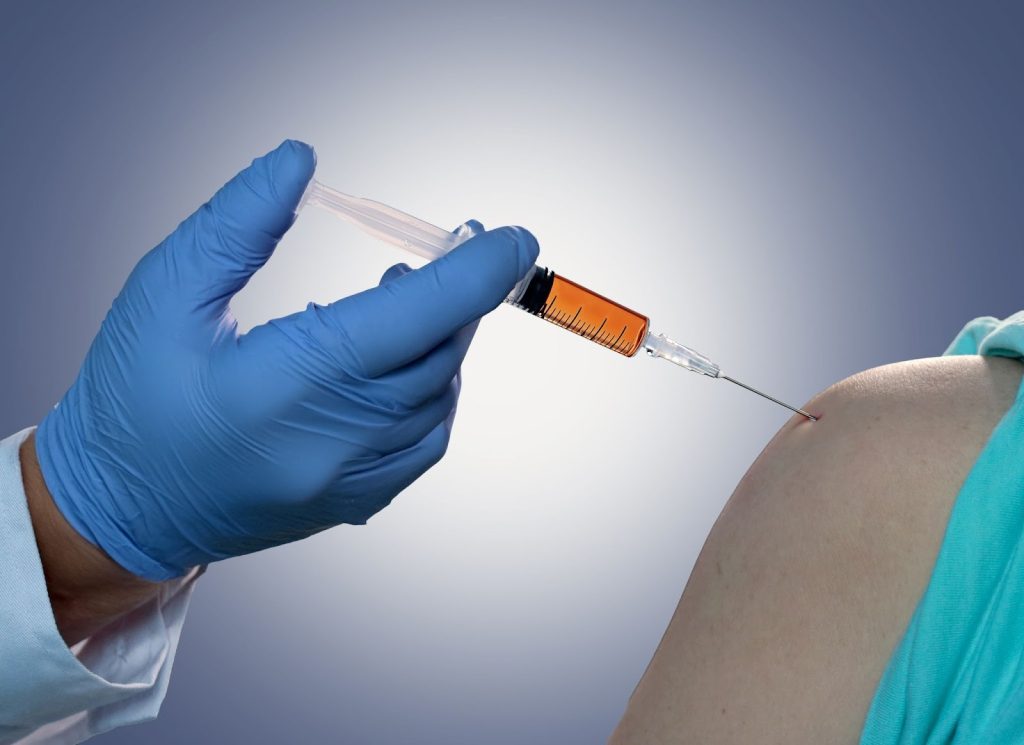
A small volume of blood is drawn, processed in a centrifuge to concentrate the platelets, and injected into the affected area under clinical guidance. PRP may be used alone or in combination with physiotherapy, shockwave therapy or surgical treatment.

Hospital stay

No hospital stay required.

Recovery

Most patients experience gradual improvement over several weeks as tissue repair progresses. Multiple sessions may be recommended depending on the condition and response to treatment.

Contents
Platelet-rich-plasma uses your own blood’s healing components to treat joint, tendon and soft tissue conditions naturally.

Platelet-rich plasma (PRP) therapy is a regenerative treatment that uses your own blood to promote healing in injured or degenerative tissues. By concentrating platelets, which are blood components rich in growth factors, PRP stimulates repair and reduces inflammation in areas such as the knee, shoulder or elbow.

Unlike conventional treatments that focus mainly on relieving symptoms, PRP works at a cellular level to encourage the body’s natural healing response. It enhances tissue regeneration, supports collagen production and improves blood supply to the affected area. These are all key elements for long-term recovery. Because the plasma is derived from your own blood, the treatment carries minimal risk of allergic reaction or rejection.

This minimally invasive procedure is performed in the clinic and requires little downtime, making it suitable for individuals seeking a natural, low-risk approach to managing pain or injury. 

How is Platelet-Rich-Plasma (PRP) made?

The treatment is entirely natural. It used components drawn directly from your own blood to stimulate healing. The preparation process is simple, sterile and completed on the same day as your treatment. It entails:

STEPPROCESS
Blood collection
The process begins with a small blood sample being drawn from your arm, similar to what you would experience during a routine blood test. The amount collected depends on the area being treated, but is generally minimal.
Centrifugation
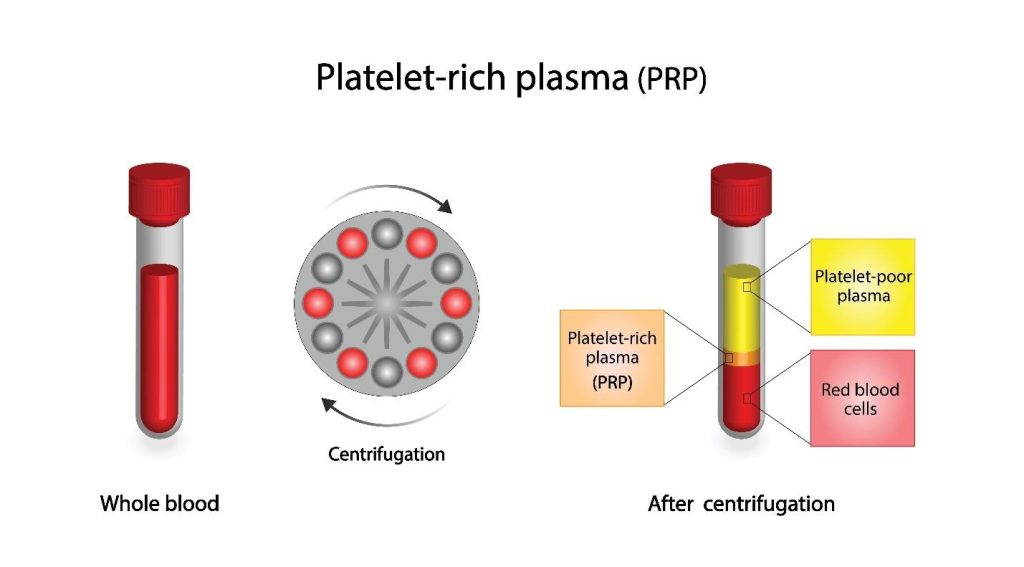
The sample is then placed into a centrifuge, which is a specialised machine that spins the blood at high speed. This separates the blood into distinct layers based on density. Through this process, the platelet-rich layer, which contains concentrated growth factors, is isolated from other components, such as red and white blood cells.
Concentration and preparation
Once the platelet-rich plasma is separated, it is carefully extracted and prepared for injection. This concentrated solution holds a much higher number of platelets than normal blood, enhancing its healing potential. The PRP is then ready to be precisely injected into the target area, whether that is a damaged tendon, joint or ligament, to stimulate tissue repair and regeneration.

How does Platelet-Rich-Plasma (PRP) work?

PRP works by enhancing the body’s own repair mechanisms at a cellular level. Platelets, which are best known for helping blood clot, also release a variety of bioactive proteins and growth factors that play a key role in tissue regeneration.

When these concentrated platelets are injected into an injured area, they release signals that attract stem cells and other repair cells to the site of damage. These cells then begin rebuilding and strengthening the affected tissue. Growth factors such as platelet-derived growth factor (PDGF) and transforming growth factor-beta (TGF-β) stimulate new cell formation, collagen remodelling and improved blood vessel growth, which together enhance tissue strength and flexibility.

Beyond stimulating repair, PRP also helps reduce local inflammation, which is a major contributor to chronic pain and delayed healing. By modulating inflammatory pathways, PRP can relieve discomfort while creating a healthier environment for tissue recovery.

This dual effect, reducing inflammation while actively promoting regeneration, makes PRP a valuable treatment as it helps to restore mobility and function over time.
Benefits of Platelet-Rich-Plasma (PRP) Therapy

Concentrated platelets release growth factors that repair damaged tissue, reduce inflammation and support regeneration.

There are several practical advantages that treatment offers. This includes, but is not limited to:

  • Improved function and mobility
  • Lower risk of allergic reactions
  • May delay or reduce the need for surgery
  • Minimally invasive with little downtime
  • Reduced pain and inflammation
  • Targets the underlying tissue
  • Complements other therapies, such as physiotherapy and targeted rehabilitation

What conditions can Platelet-Rich-Plasma (PRP) treat?

PRP therapy is widely used in Singapore for both medical and aesthetic purposes. While it is popularly known for hair restoration and skin rejuvenation, it is also used to treat joint and tendon injuries, such as:

Shoulder injuries

  • Frozen shoulder characterised by stiffness and restricted movement from inflammation of the shoulder capsule.
  • Rotator cuff tendinopathy degeneration or irritation of the shoulder tendons, often resulting in pain during lifting or rotation.

Elbow injuries

  • Golfer’s elbow caused by an overuse of the forearm muscles, leading to pain and inflammation on the inner side of the elbow.
  • Tennis elbow results from repetitive strain on the outer elbow tendons, commonly seen in racket or gripping activities.

Knee injuries

  • Knee osteoarthritis (OA) – a degenerative joint condition where the cartilage wears down, causing stiffness, pain and reduced mobility.
  • Meniscus tears damage to the cushioning cartilage in the knee, often due to twisting movements or sports injuries.
  • Ligament injuries – sprains or tears in ligaments, such as the anterior cruciate ligament (ACL) or the medial collateral ligament (MCL), that lead to instability and swelling.

Foot and Heel injuries

  • Achilles tendon injuries – the Achilles tendon connects the calf to the heel bone and overuse, tight calf muscles or sudden bursts of activity can cause inflammation or partial tears.
  • Plantar fasciitis – involves inflammation of the thick tissue under the foot, causing sharp heel pain with the first steps in the morning or after rest.

Who is a good candidate for Platelet-Rich-Plasma (PRP) Treatment?

PRP treatment is not a one-size-fits-all treatment. The best candidates are those whose injuries are biologically active and amenable to regenerative approaches, as well as those who are prepared to follow a rehabilitation plan.

Factors of a good candidate

  • Focal tendon or ligament injuries – localised tendonosis or partial tears where stimulation or repair can restore tendon health.
  • Mild to moderate osteoarthritis early degenerative changes where tissue regeneration and reduced inflammation may improve pain and function.
  • Recent injuries with viable tissue – when the damaged area still has the capacity to respond to growth factors, PRP has a better chance of helping.
  • Committed to rehabilitation – patients willing to follow physiotherapy and activity guidance maximise the benefits of PRP.

Factors that make someone less suitable

  • Advanced joint destruction – severe end-stage arthritis with major loss of cartilage typically responds poorly to PRP alone and often needs surgical options.
  • Active infection – local or systemic infections are a contraindication until the infection is fully treated.
  • Bleeding or platelet disorders – low platelet counts, clotting problems or certain blood diseases can reduce PRP effectiveness or increase the risk.
  • Certain medications – long-term anticoagulants or drugs that affect platelet function may require review and specialist input before proceeding.
  • Uncontrolled medical conditions – poorly controlled diabetes or other systemic illnesses may impair healing and reduce treatment benefits.
  • Unrealistic expectations – patients seeking immediate or guaranteed cure for longstanding, severe damage are unlikely to be satisfied as PRP offers potential improvements, not certainty.

What to expect during Platelet-Rich-Plasma (PRP) Treatment?

The procedure is straightforward and well-tolerated by most patients. It is performed in a controlled clinical setting, with every step carefully monitored to ensure safety and comfort.

Generally, it consists of the following steps:
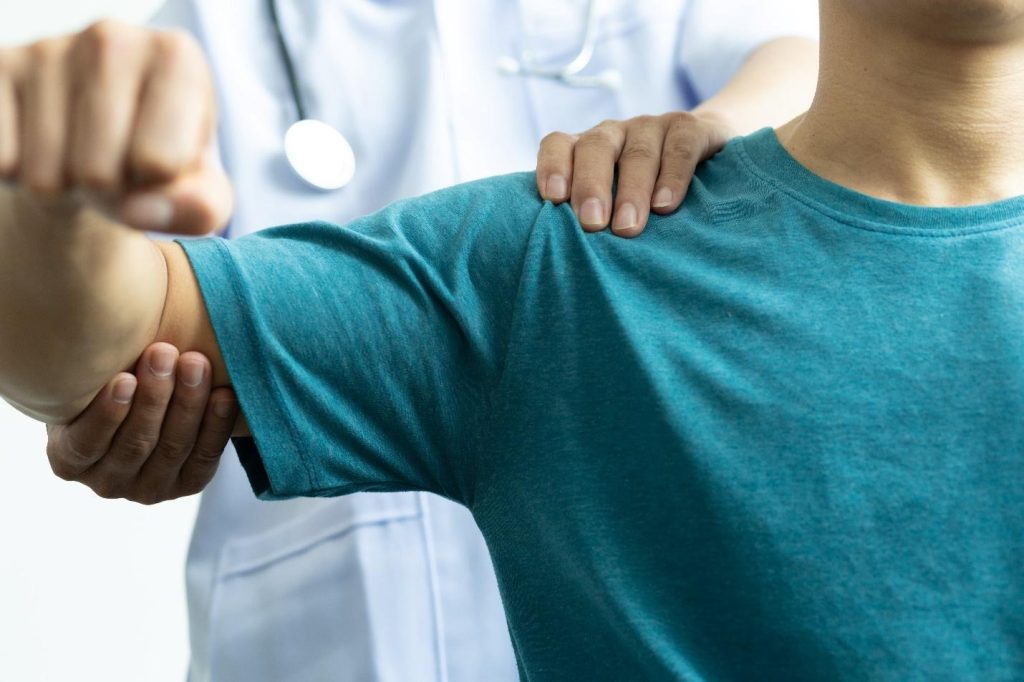
  • Pre-procedure consultation – you will confirm the treatment plan, review recent imaging and medications and sign a consent form. The clinician will mark the treatment site and explain any immediate precautions.
  • Preparation and comfort measures – the treatment area is cleaned and draped. A local anaesthetic may be applied at the skin entry point to reduce discomfort during the injection.
  • Blood draw – a small amount of blood is taken from your arm. The volume depends on the treatment area, which Dr James Tan will advise before the treatment.
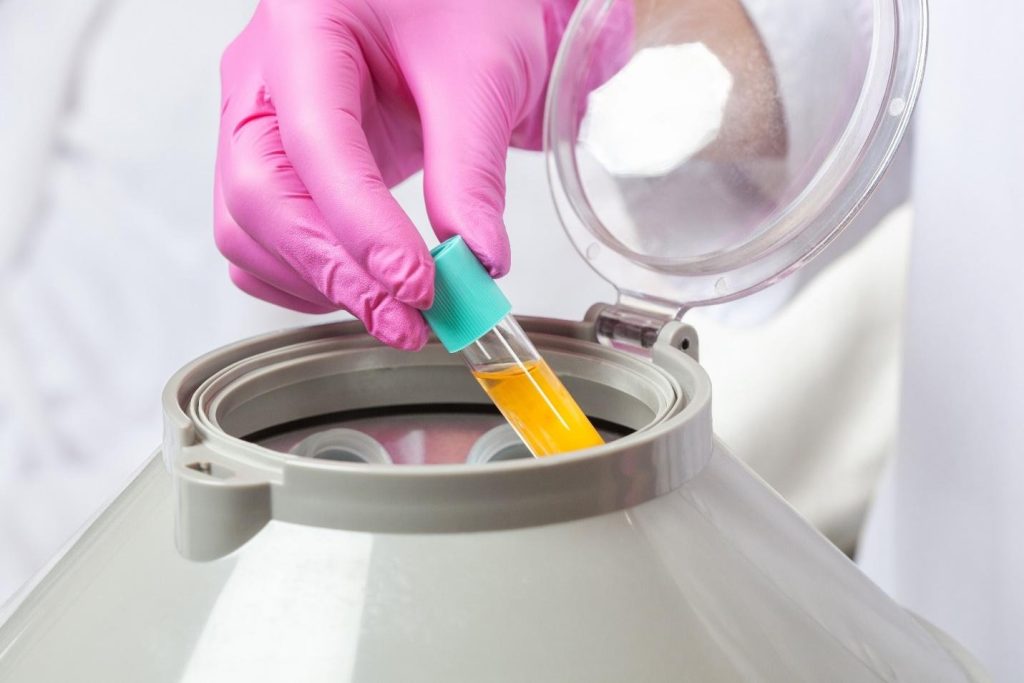
  • Processing the sample – the blood is spun in a centrifuge to concentrate platelets. This takes around 10 to 15 minutes and is performed in a sterile manner.
  • Brief observation – after the treatment, you will be observed for a short period to ensure there are no immediate reactions. Our clinicians will offer aftercare instructions and answer any questions that you may have.
  • Discharge – most patients go home the same day. You will receive written guidance on rest, medications and follow-up.

Aftercare and recovery after Platelet-Rich-Plasma (PRP) Treatment

Guided physiotherapy strengthens surrounding muscles and supports faster and more complete recovery after PRP.

Following the treatment, it is important to adhere to aftercare tips. This ensures that the PRP works as intended and reduces the chance of complications. Dr James Tan may advise the following:

  • Immediate rest – rest the treated area for 24 to 48 hours. Avoid heavy loading, impact or strenuous exercise during this period.
  • Manage discomfort – mild soreness or swelling at the injection site is common for 48 to 72 hours. Ice and painkillers can help ease discomfort. Applying ice and taking painkillers can help ease discomfort. Avoid non-steroidal anti-inflammatory drugs (NSAIDs) if possible, as they may blunt the biological effects of PRP.
  • Activity progression – begin gentle range-of-motion and light strengthening exercises as advised. This usually begins a few days to a week after the treatment. Afterwards, gradually increase the intensity under professional guidance.
  • Physiotherapy – structured rehabilitation is central to long-term success. A therapist will typically design a staged programme to restore strength, neuromuscular control and functional movement. 
  • Monitoring and review – you will have a review appointment at 4 to 8 weeks to assess response and decide whether further sessions are needed.
  • When to seek urgent care – excessive swelling, sudden fever, increasing pain or signs of infection around the injection site warrant prompt medical attention.

What results can you expect?

The primary aim of the treatment is to reduce symptoms and support tissue repair. But the outcomes vary by condition and individual factors. However, many patients report initial changes in the 4 to 6 weeks, with progressive gains over 3 to 6 months as tissue remodelling occurs. Maximal benefit may take longer in older patients or where tissue damage is extensive.

How many sessions are typically needed?

The number and spacing of sessions are tailored to several elements, such as:

  • The severity of your condition
  • Your age
  • Existing or underlying comorbidities
  • Baseline platelet quality
  • How you respond to the first treatment

But generally, many protocols use 1 to 3 injections, commonly spaced 4 to 6 weeks apart. Single injections may suffice for some problems, while tendon conditions or more stubborn injuries sometimes benefit from a short series.
Summary

PRP promotes natural healing, reduces pain and helps restore mobility without surgery or long downtime.

PRP therapy offers a natural and minimally invasive way to support the body’s own healing process. By using your own platelets to repair damaged tissues, it can help restore mobility, reduce pain and improve long-term joint and tendon health.

If you have been struggling with persistent pain or slow recovery from an injury, it may be time to explore whether PRP therapy is right for you. Schedule a consultation with Dr James Tan to discuss your condition and find out how this regenerative approach can support your recovery journey.

Frequently Asked Questions

Yes. PRP therapy is considered very safe because it uses your own blood, eliminating the risk of allergic reactions or disease transmission. As it is minimally invasive, most patients experience only mild soreness or swelling at the injection site, which usually resolves within a few days.

Most patients describe the injection as mildly uncomfortable, similar to a blood draw. A local anaesthetic can be applied for added comfort.

Pain relief often begins within 4 to 6 weeks, with continued improvement over 3 to 6 months as tissues regenerate.

PRP supports long-term healing rather than short-term relief. While results vary, many patients enjoy lasting benefits if they maintain a healthy lifestyle and follow their rehabilitation plan.

Side effects are rare but may include temporary swelling or soreness. Serious complications such as infection are extremely uncommon.

Yes. Physiotherapy is often recommended to optimise recovery, improve joint stability and maintain long-term results.

Disclaimer

The information provided on this page is for educational purposes only and is not intended as a substitute for professional medical advice or treatment. Always consult your healthcare provider or specialist doctor regarding any medical condition that you might be facing and act on the doctor’s recommendations.

References:

  1. Pan Hong , Yu Zheng , Saroj Rai, Yuhong Ding, Yeming Zhou, Ruikang Liu, and Jin Li, "Efficacy and safety of platelet-rich plasma in the treatment of carpal tunnel syndrome: A network meta-analysis of different injection treatments", National Library of Medicine, National Center for Biotechnology Information, 2022, https://www.ncbi.nlm.nih.gov/pmc/articles/PMC9684083/
  2. Peter Everts, Kentaro Onishi, Prathap Jayaram, José Fábio Lana, and Kenneth Mautner, "Platelet-Rich Plasma: New Performance Understandings and Therapeutic Considerations in 2020", National Library of Medicine, National Center for Biotechnology Information, 2020, https://www.ncbi.nlm.nih.gov/pmc/articles/PMC7589810/
  3. Anon Paichitrojjana and Anand Paichitrojjana, "Platelet Rich Plasma and Its Use in Hair Regrowth: A Review", National Library of Medicine, National Center for Biotechnology Information, 2022, https://www.ncbi.nlm.nih.gov/pmc/articles/PMC8922312/

Personalised Sports Orthopaedic Consultation in Singapore

If you are experiencing joint pain, sports injuries or musculoskeletal concerns, our Sports Orthopaedic Surgeon can provide a personalised consultation and assessment to better understand your condition and discuss suitable treatment options.

Camden hospital
1 Orchard Boulevard, #09-06
Singapore 248649
Mount Alvernia Hospital
820 Thomson Road
Medical Centre D #05-60
Singapore 574623

Dr James Tan Chung Hui

PRP Treatment With Our Sports Orthopaedic Surgeon

Dr James Tan, our Orthopaedic Specialist at Ray of Health, deals with various orthopaedic conditions of the body. He advises his patients to consult him in case of any pain or injury at the earliest so that the condition can be assessed and diagnosed properly.

About Dr James
Adjunct Assistant Professor (NUS, LKC) and Senior Consultant
Orthopaedic Surgery, Sports & Exercise Medicine
Language Spoken
English, Mandarin, Hokkien, Teochew, Malay
Step01
Registration
Register with Dr James' team and book an appointment here.
Book an
Appointment
Step02
First appointment
At the first appointment, Dr James Tan will carry out a thorough physical exam for your knee pain, and evaluate your medical history.
Step03
Diagnosis
Typically, additional diagnostic tests are required to assess the causes of the problems accurately. This usually comes in the form of MRI or X-ray scans.
Step04
Personalised Treatment Plan
Dr James will then create a personalised treatment plan based on your specific condition and needs, which could include undergoing surgery, and recommend the necessary treatment modalities to you.
Step05
Follow-up sessions
Dr James will schedule additional follow-up sessions to monitor the recovery process until you fully recover.
Disclaimer: Treatment plans may differ for different patients. Please contact Dr James for more information.

Accreditations

MediSave & Insurance Shield Plan Approved

If you are a Singaporean or a Permanent Resident of Singapore, some of our orthopaedic procedures can be claimed under MediSave. The claimable amount will vary based on the procedure's complexity.

For other situations, please consult our friendly clinic staff regarding the use of your Integrated Shield Plan insurance.

Accreditations

Corporate Insurance

Dr James Tan

MBBS (S’pore) | MRCS (Edin) | MMed (Orth) | FRCS Orth & Tr (Edin)

Restoring Strength, Mobility and Confidence.

This article has been medically reviewed by Dr James Tan
Dr James Tan is an Orthopaedic Surgeon with a strong focus on sports injuries of the knee, shoulder and elbow. Skilled in minimally invasive tendon and ligament repair, cartilage and meniscus surgery, as well as joint replacement and complex shoulder reconstruction, he offers patients advanced treatment options tailored to restore function and mobility.
hello@quantumortho.com.sg

Ready to Take the First Step Toward Relief?

Speak With Us

Get in touch with Orthopaedic Specialist Dr James Tan today to discuss your concerns and explore the best treatment options for your bones, joints, muscles and spine.


    Camden Medical
    1 Orchard Boulevard, #09-06
Singapore 248649
    Mount Alvernia Hospital
    820 Thomson Road
Medical Centre D #05-60
Singapore 574623

    Monday - Friday: 8:30am - 5:30pm

    Saturday: 8:30am - 12:30pm

    Sunday & Public Holiday: Closed

    Contact Us
    Copyright 2026 © Ray of Health. All rights reserved.
    crosschevron-down